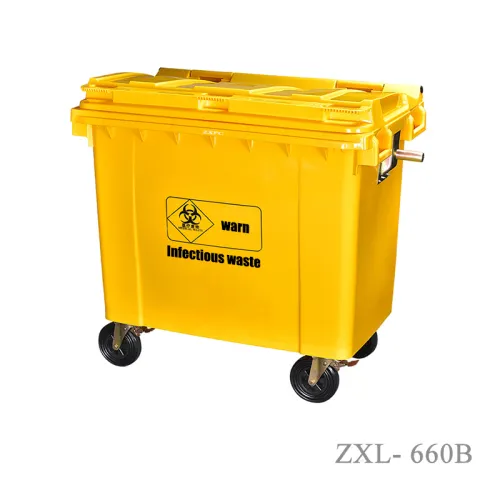
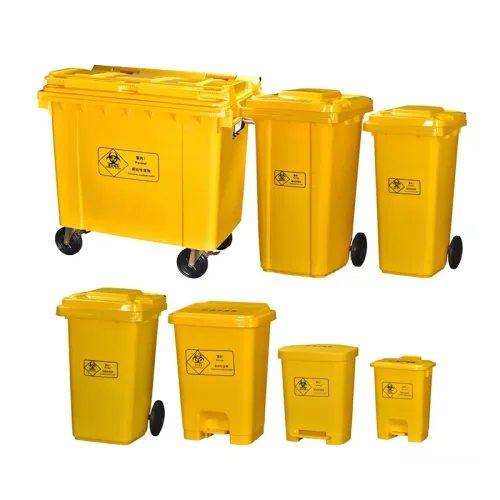
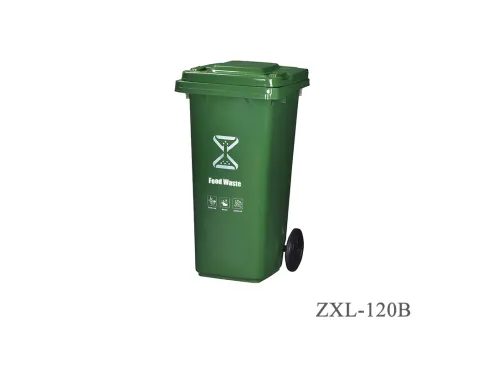
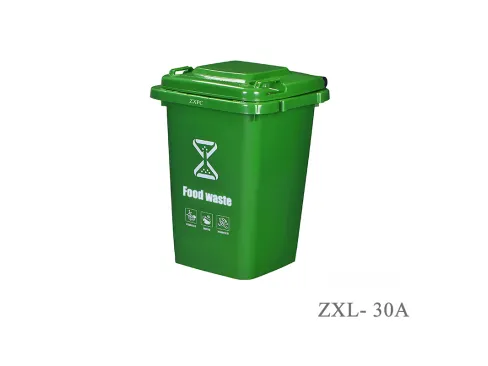
Medical waste management is crucial for health and safety. This is where the right Medical Waste Bin comes into play. Using the wrong disposal method can lead to serious health risks. It may also harm the environment. Medical waste includes items like needles, gloves, and other hazardous materials. The proper waste disposal system helps keep healthcare facilities safe and clean. To understand which dustbin is used for medical waste, we need to explore several types.
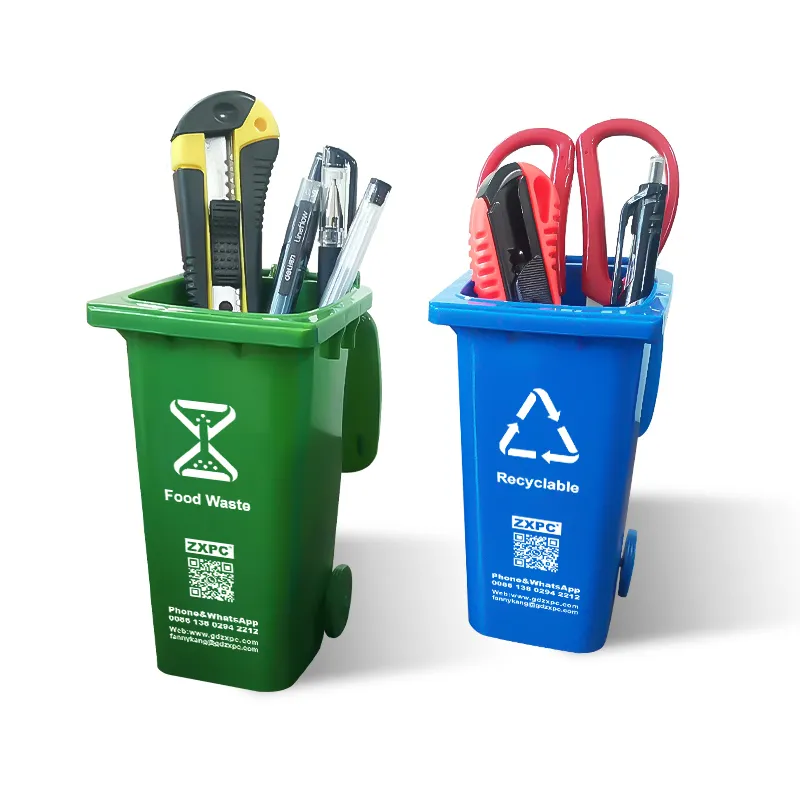
The **dustbin specifically designed for medical waste is typically red or orange in color**. It is meant to contain biohazardous materials and prevent contamination.
Sharps containers are for needles and sharp instruments. They are puncture-resistant and often have a locking mechanism.
Biohazard bags are used for general medical waste. They are usually red or yellow with a biohazard symbol. These bags are leak-proof and help contain pathogens.
These bins hold expired or unused medication. They prevent accidental ingestion and protect the environment.
Chemical waste containers are designed for hazardous chemicals. They are labeled to show the type of chemicals inside.
Using medical waste bins correctly is important for safety. Follow these steps:
Choosing the right dustbin for medical waste is essential. Using proper disposal methods protects health and the environment. It is important to understand which dustbin is used for medical waste to ensure safety in healthcare settings.
1. What types of waste can go in sharps containers?
Sharps containers are designed for items like needles and lancets.
2. How often should medical waste bins be changed?
Medical waste bins should be replaced regularly based on local regulations.
3. Can I throw away medicine in regular trash?
No, medications should only be disposed of in pharmaceutical waste bins.
A: When selecting a medical waste bin, consider the type of waste generated, regulatory compliance, and the bin's capacity and color-coded system. Ensure it aligns with local disposal regulations.
A: Regular training for staff on waste segregation and disposal methods is essential. Additionally, refer to local regulations and guidelines to ensure compliance.
A: Sharps containers should be puncture-resistant, have a secure locking mechanism, and meet regulatory standards to safely contain hazardous items like needles.
A: Yes, we offer a range of medical waste bins, including biohazard bags, sharps containers, and chemical waste containers, tailored to meet specific disposal needs.
A: Replacement frequency depends on usage and local regulations, typically every 3-6 months. We offer refill services to ensure continuous compliance with waste management standards.