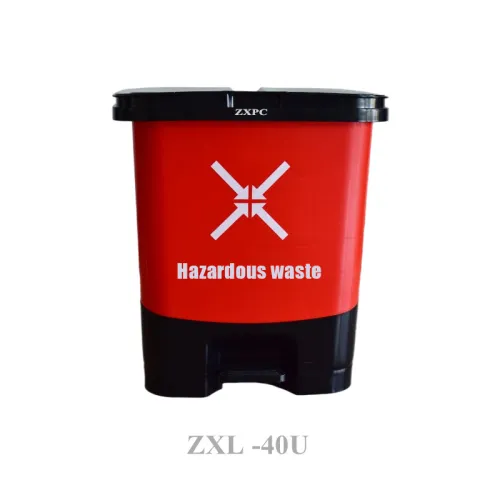
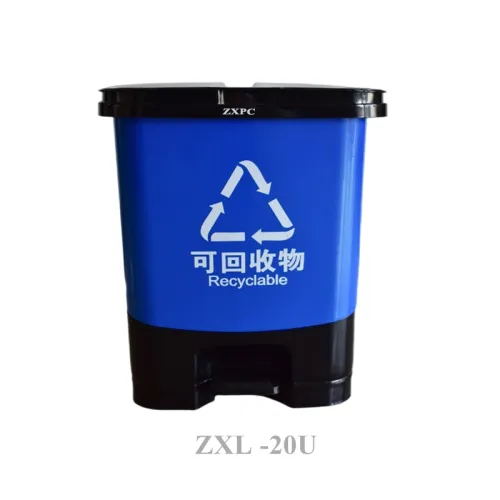
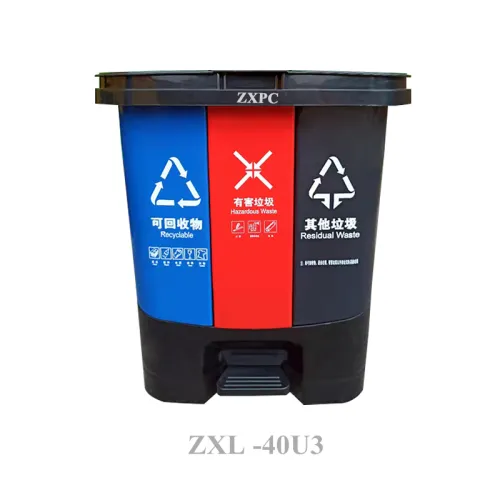
When it comes to maintaining cleanliness and organization in our homes or workplaces, double compartment pedal bins are invaluable. With brands like ZXPC leading the way, these versatile waste disposal solutions allow for effective waste sorting, promoting recycling and hygiene. In this guide, I will walk you through the comprehensive process of selecting, implementing, and maintaining a double compartment pedal bin, ensuring you address common user problems effectively, whether you are a novice or seasoned pro.
To start, consider what a double compartment pedal bin can do for you. These bins typically feature two separate inner bins, which makes waste segregation straightforward. This separation helps in managing different types of waste such as recyclables and organic waste, directly impacting your environmental footprint. As you weigh your options, you'll want to assess the bin's dimensions, material, and design, as well as its pedal operation for hands-free ease.
A critical first step is identifying your specific needs. Analyze your daily waste generation patterns and the space where you plan to place the bin. I recommend creating a simple list of your daily waste categories. For instance, in my home, I usually separate into food waste, recyclables, and general waste. Knowing your categories will guide you in selecting a bin with the right size and the ideal feature set.
As you explore options, keep in mind the following key considerations:
Next, let’s delve into the setup of your chosen double compartment pedal bin. Once you’ve made a purchase, unpack the bin carefully. It’s best to follow the product assembly instructions meticulously to avoid damaging components. Within a few minutes, you’ll find that it’s straightforward.
Once installed, decide on how to introduce the bin into your routine. Make sure to explain its use to family members or colleagues. This is a crucial step, as consistent usage increases effectiveness in waste management. In my personal experience, creating a visual guide near the bin that illustrates what goes where can significantly enhance compliance rates.
To further encourage effective waste sorting, consider using color-coded bags for the inner bins. The clarity of color helps everyone recognize the right disposal method in an instant, and having three inner bins can prove extremely useful in complex waste management setups.
However, challenges might arise. For instance, you may find that one bin fills up faster than the other. To counter this, consider letting larger waste items or recyclables accumulate in an external container until the dedicated bin has room. That way, you maintain efficiency without excessive overflow.
Moreover, dealing with odors can be a concern. I recommend lining your inner bins with deodorizing bags or using bin deodorizers specifically designed for this purpose. This will help ensure that your space remains pleasant.
In wrapping up, I want to reiterate the importance of adopting these strategies when selecting and maintaining double compartment pedal bins. Figure out your waste needs, analyze options like those offered by ZXPC, and ensure proper education on usage. By doing so, you'll not only improve individual practices but also enhance community involvement in waste management.
Key Takeaways:
As you move forward, I encourage you to implement these insights for a cleaner, more organized environment. Together, let’s create a more sustainable future one double compartment pedal bin at a time!
A: Consider the size and capacity to fit your space, the material for durability and ease of cleaning, and the pedal mechanism for smooth operation. Assess your daily waste categories to select the right bin.
A: Follow the product assembly instructions for installation. Clearly explain its use to family or colleagues, and consider using a visual guide to enhance compliance with waste sorting.
A: Typically, a capacity between 30 to 50 liters is suitable, depending on your daily waste generation patterns and the amount of waste produced in your workspace.
A: Yes, color-coded bags help users quickly identify the correct disposal method for different waste types, significantly improving compliance and waste management effectiveness.
A: Yes, ZXPC provides a range of double compartment pedal bins made from durable materials, featuring effective pedal mechanisms, tailored for various waste management requirements.