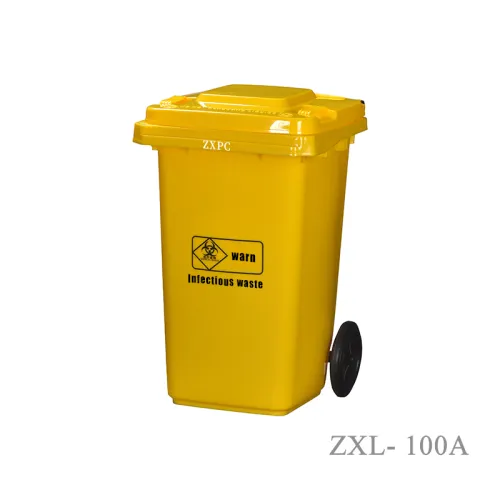
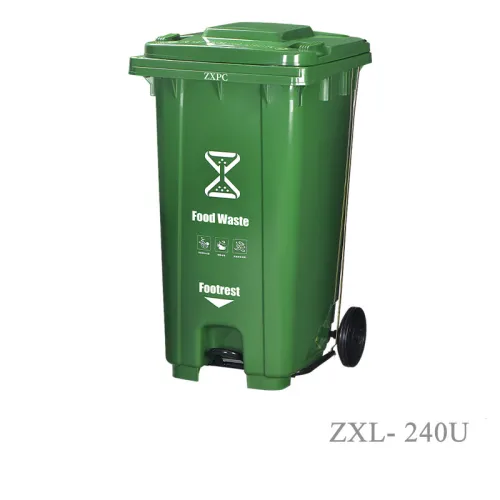
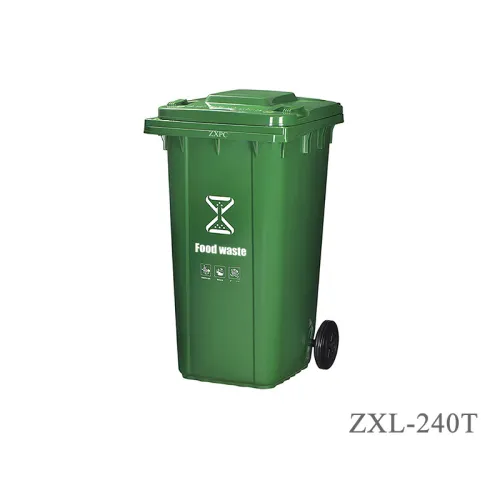
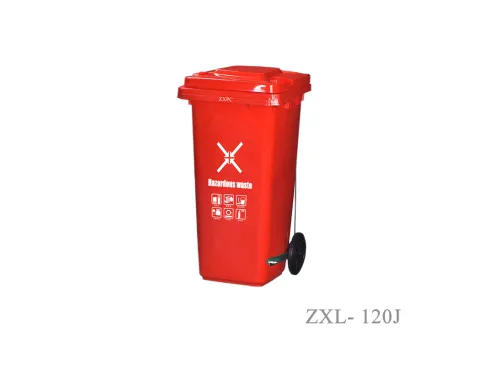
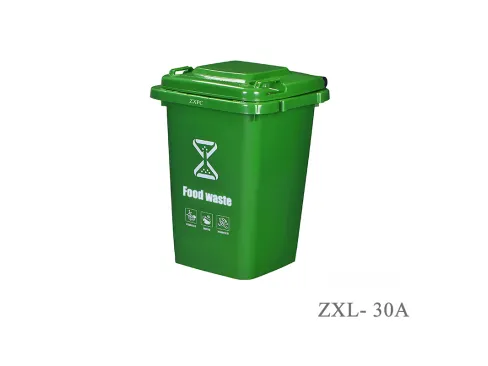
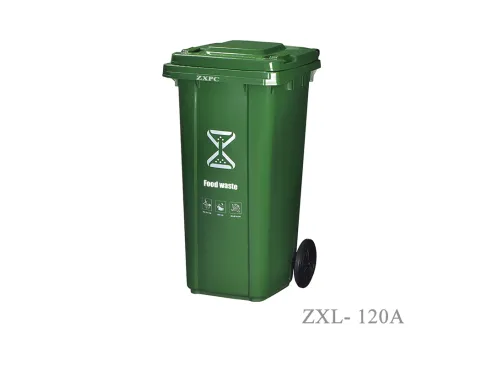
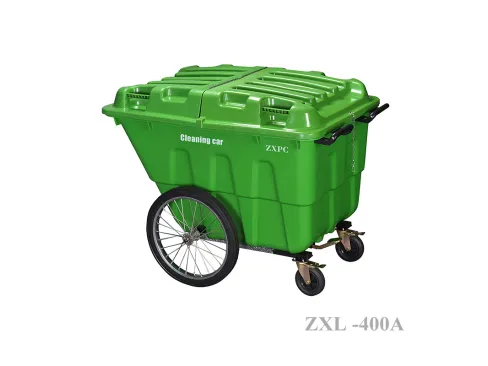
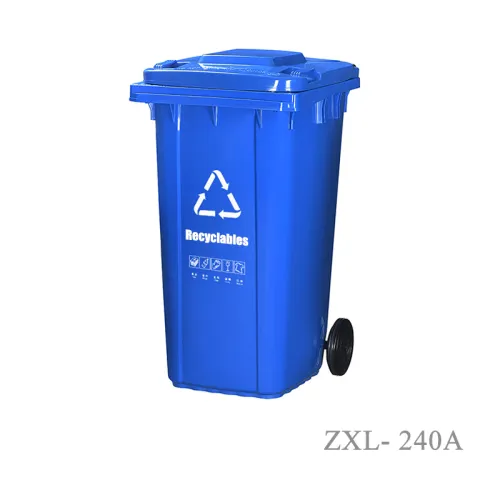
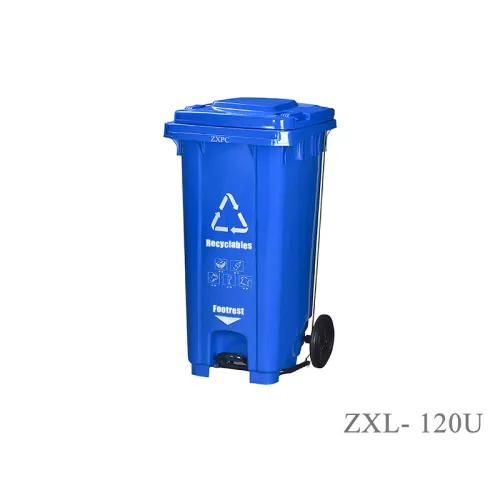
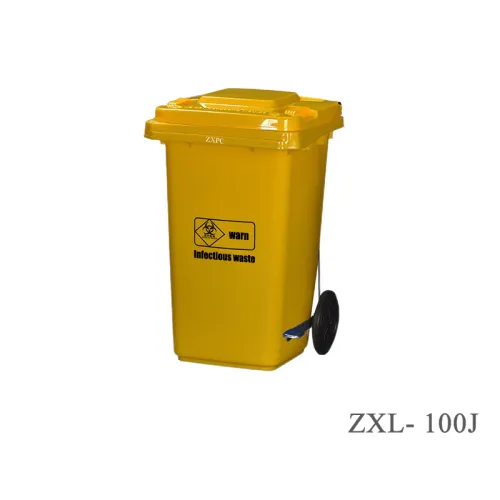
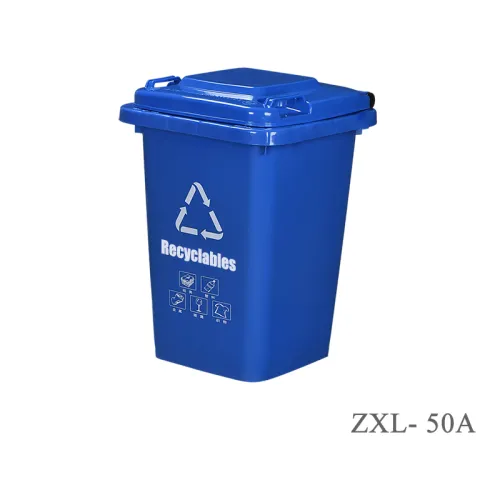
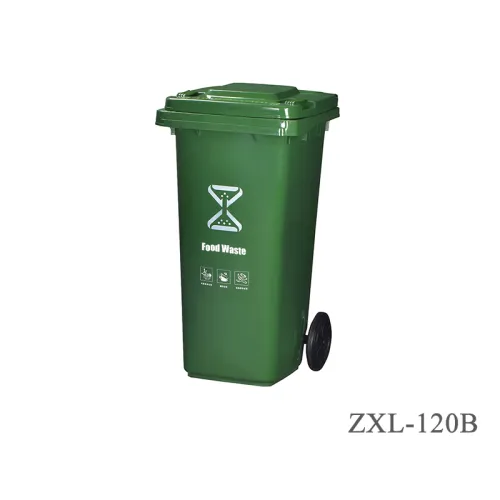
In today's fast-paced world, the importance of maintaining cleanliness in outdoor spaces cannot be overstated. Outdoor litter bins play a crucial role in urban and rural environments alike. They not only encourage proper waste disposal but also contribute to the overall aesthetics and hygiene of public areas. With the rise of eco-conscious consumer behavior and the need for sustainable waste management solutions, the demand for high-quality outdoor litter bins is significant.
Imagine a busy park on a sunny day; families enjoying their time, children playing, and vendors offering delicious snacks. Unfortunately, litter can quickly become a problem, detracting from the beauty of the scenery. The challenge lies in creating effective waste management systems that encourage proper waste disposal while being efficient, aesthetically pleasing, and sustainable.
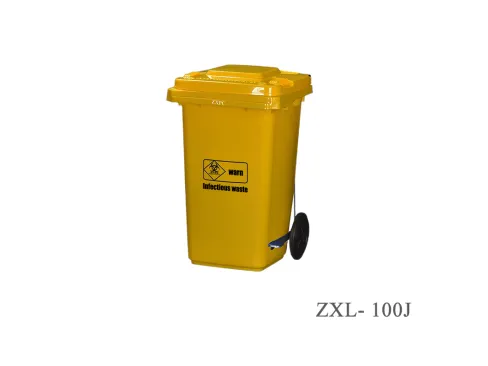
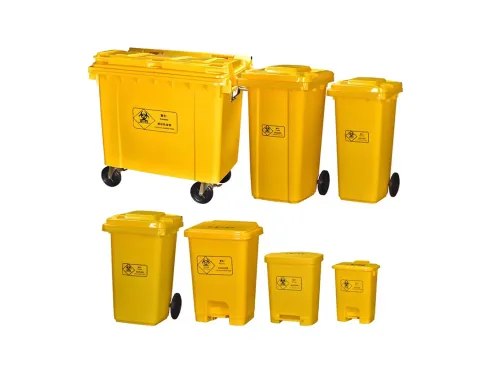
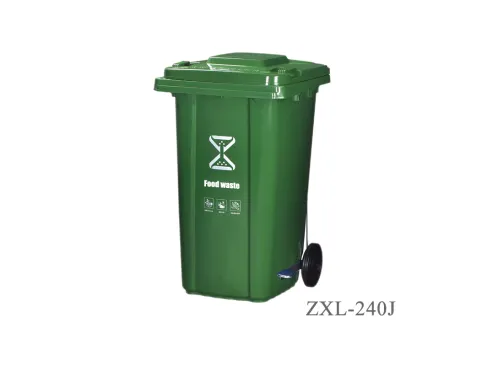
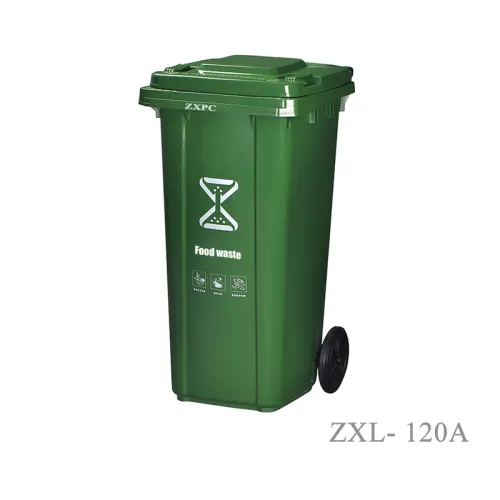
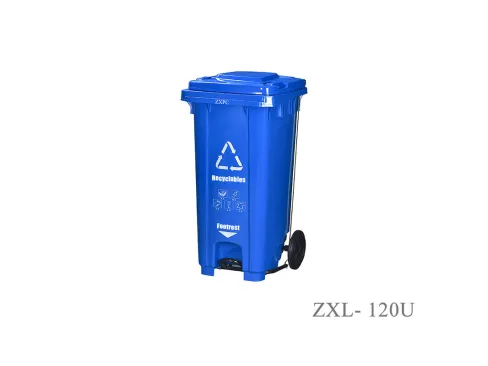
Outdoor litter bins, often referred to as trash receptacles or waste bins, are containers specifically designed for public outdoor spaces. These bins can be made from various materials, including metal, wood, and recycled plastic, each with its own durability and design features. Key industry terms to consider are "capacity," which measures how much waste a bin can hold, and "weather resistance," which determines how well a bin can withstand outdoor elements.
Data suggests that well-placed outdoor litter bins can reduce litter by as much as 57% in public spaces (source: Keep America Beautiful). This statistic highlights their essential role in promoting a clean environment.
Outdoor litter bins find their use across various fields:
The significance of outdoor litter bins extends beyond mere waste disposal. Their presence:
Consider that municipalities often experience a palpable reduction in litter-related complaints after implementing an effective outdoor litter bin strategy—a crucial factor in maintaining a positive community image.
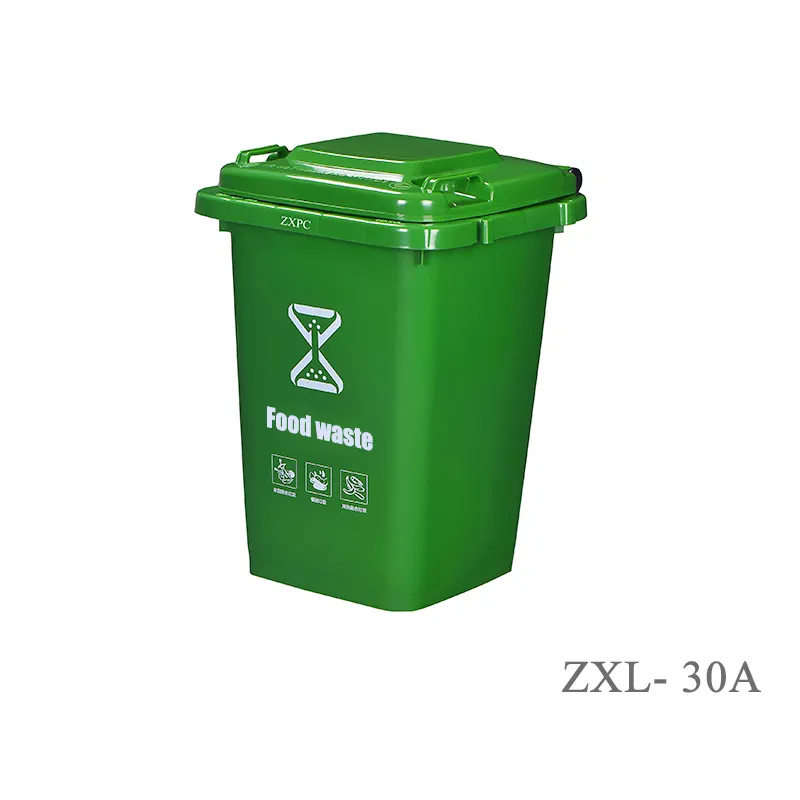
When considering outdoor litter bins, it's essential to think about factors such as size and capacity, location, material, and design. Assessing these components can determine the effectiveness of the litter management system. Reading the user guide and closely examining customer reviews can provide additional insight into which products best fit your needs.
If you're interested in trialing these bins, consider exploring options from reputable brands like ZXPC, known for their durable and eco-friendly designs.
1. What materials are most durable for outdoor litter bins? Metal and recycled plastics tend to be the most resilient materials for outdoor use, offering both durability and sustainability.
2. How large should outdoor litter bins be? The capacity of the bin should correlate with the expected volume of use. For instance, bins in busy parks require larger capacities compared to those in less frequented areas.
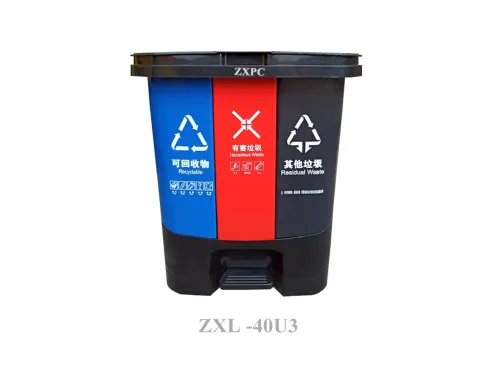
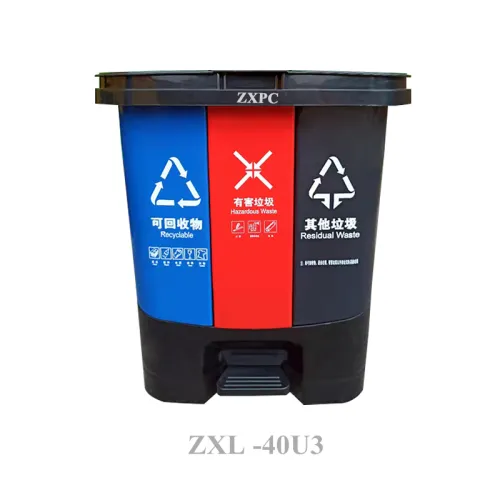
3. Can outdoor litter bins be designed to accommodate recycling? Yes, many outdoor litter bins are designed with multiple compartments to facilitate recycling and proper waste segregation.
4. How can I ensure outdoor litter bins remain clean? Regular maintenance and timely emptying can help keep outdoor litter bins in pristine condition, deterring pests and mismanagement issues.
Understanding the full scope of outdoor litter bins can greatly improve your community's environmental health. For better insights and expert recommendations, consider exploring resources from industry leaders or trying out products from ZXPC to see the difference firsthand.
Investing in outdoor litter bins is a step towards a cleaner, more sustainable future, perfectly aligning with the modern call for eco-friendly living.
A: When choosing outdoor litter bins, consider factors such as size and capacity, material durability, weather resistance, design, and location to ensure they meet the specific needs of your environment.
A: Yes, many outdoor litter bins come with multiple compartments specifically designed for recycling, allowing for effective waste segregation and environmental sustainability.
A: To choose the correct capacity, assess the expected volume of use based on foot traffic. Bins in high-traffic areas, such as parks or city centers, should have larger capacities than those in less frequented locations.
A: Metal and recycled plastics are highly recommended due to their resilience against outdoor elements and long-term sustainability.
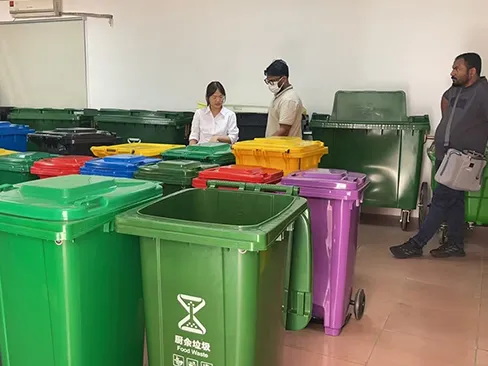
A: We, as a manufacturer, offer a variety of outdoor litter bins in different materials and sizes, ensuring availability to meet diverse customer needs. Please inquire for specific product options and bulk purchasing details.