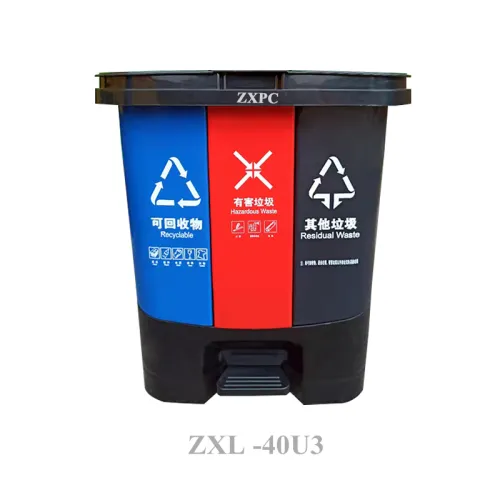
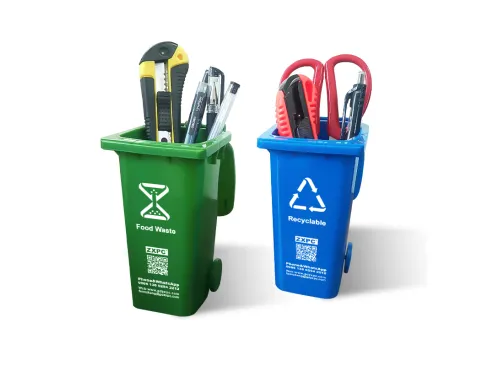
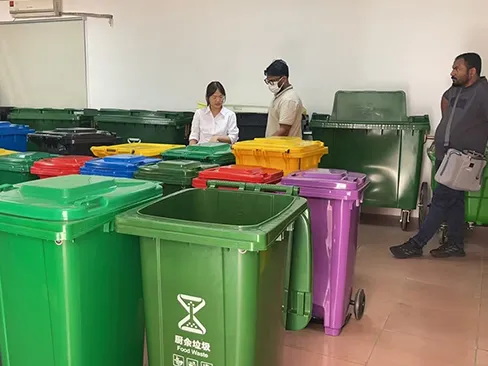
In navigating the complexities of waste management, understanding the dimensions and specifications of industrial waste bins can significantly streamline operations. I’ve crafted a structured approach suitable for both novices and seasoned professionals looking to optimize their waste management processes. The following steps will ensure that you make informed decisions when selecting the right industrial waste bins for your specific needs, maximizing efficiency while adhering to industry standards.
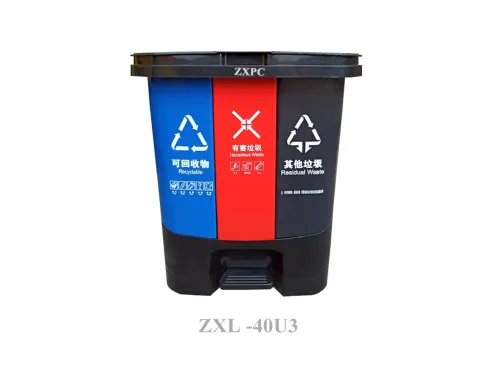
To kickstart the process, the very first step involves evaluating your waste type and volume. Assessing the nature of the waste—be it recyclable materials, hazardous substances, or general refuse—is crucial. For instance, industrial waste bins must comply with standards from organizations such as ASTM and DIN, often requiring different materials and sizes depending on the waste category. It’s advisable to keep precise measurements at hand; as such, noting the need for containers with a tolerance of up to 0.01mm can help ensure a better fit for your operations.
After determining the waste type, the next step is to choose the appropriate size. Various sizes are available, from compact 0.5 cubic yard bins to larger 8 cubic yard bins. Here’s a breakdown of factors to consider when selecting your waste bin size:
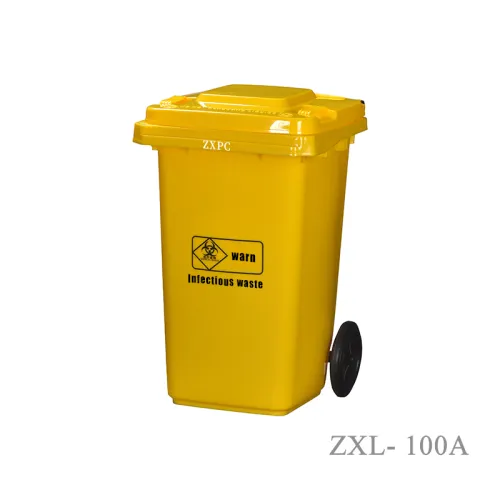
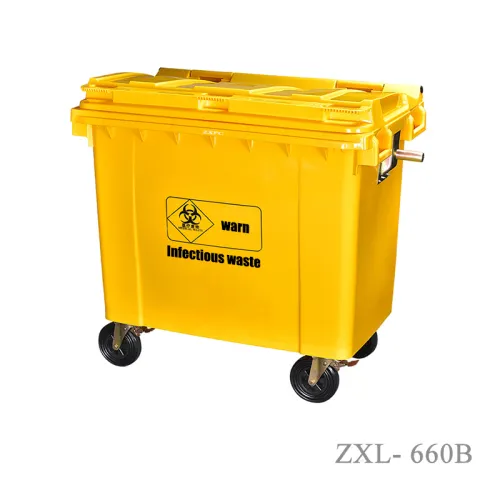
Another significant aspect of this process is the durability of the bin. Selecting high-quality industrial waste bins, such as those offered by ZXPC, ensures longevity. Bins made of robust materials can withstand harsh environments and are designed for 100% inspection to guarantee quality. I highly recommend reviewing user testimonials and case studies to highlight their effectiveness. For instance, a manufacturing plant reported a 30% efficiency increase after replacing their outdated bins with ZXPC's current models due to improved space management and reduced overflow incidents.
Understanding potential challenges during execution is also paramount. In my experience, miscalculation of waste volume or size often leads to frustration. To combat this, I suggest conducting a trial period where you monitor waste levels and adjust bin sizes accordingly. Regular collection schedules can also help establish a baseline for future estimates, preventing overflow and maintaining cleanliness.
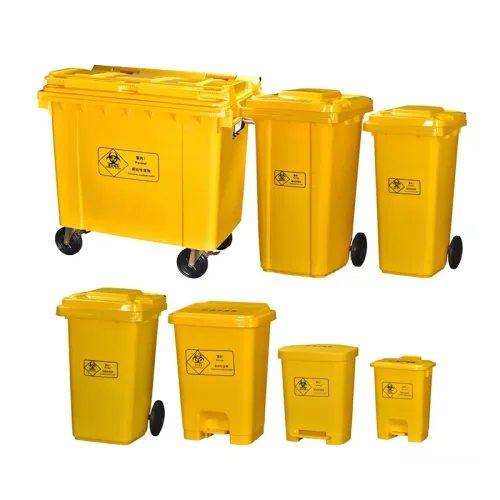
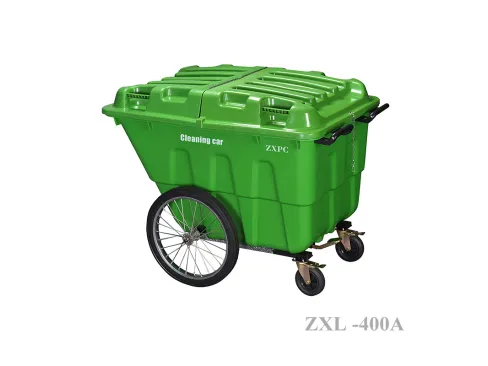
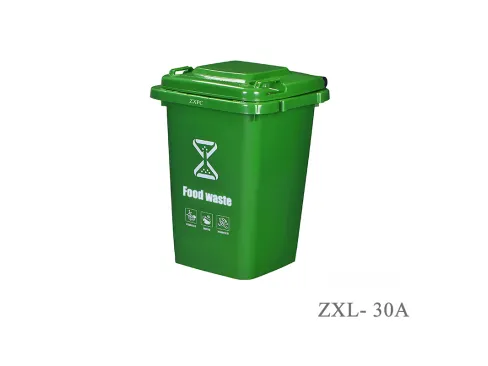
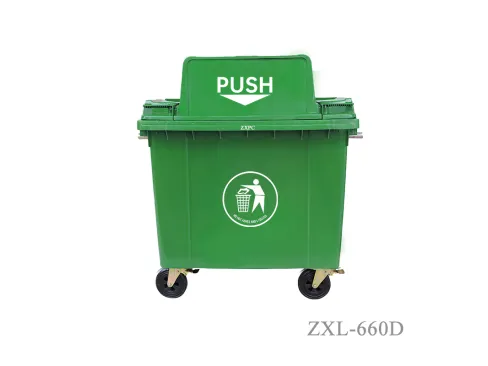
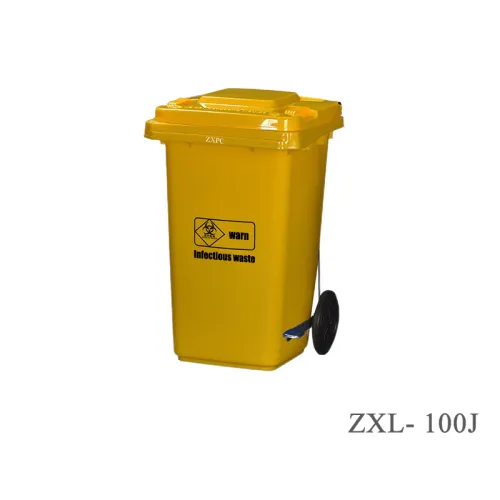
As you implement these guidelines, taking advantage of available resources is essential. Utilize online calculators to estimate waste volumes and explore supplier catalogs, like ZXPC’s vivid array of sizes and specifications shown here: 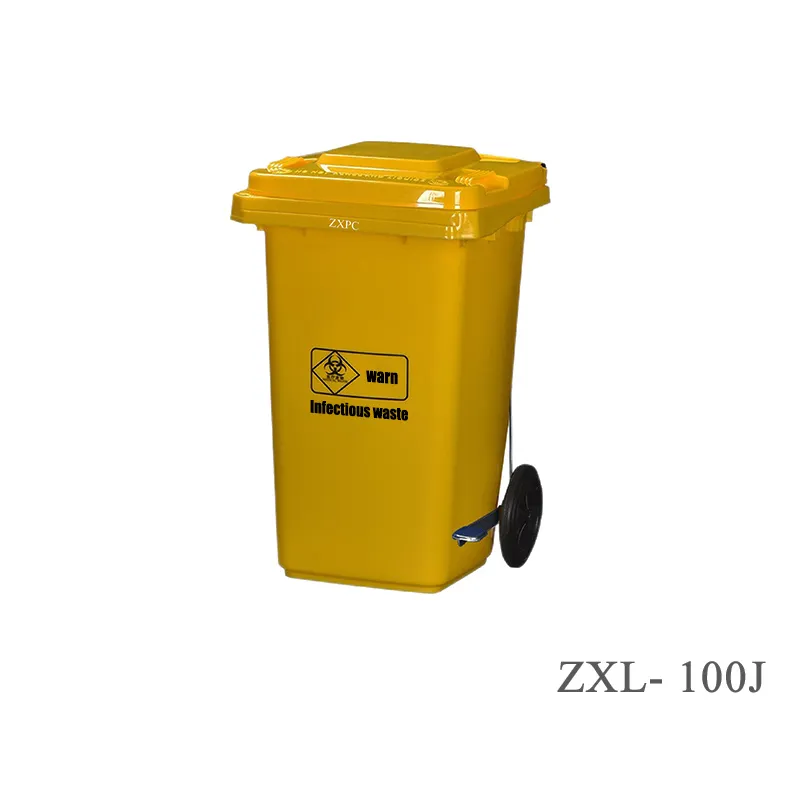 . Additionally, connecting with waste management professionals can provide insights and recommendations tailored to your situation.
In summary, understanding the precise dimensions, capacities, and material makeup of industrial waste bins can profoundly impact the effectiveness of your waste management strategies. By thoroughly assessing your waste type, calculating volumes adeptly, and selecting bins built to last, you can ensure smooth operations and compliance with industry standards. I encourage you to actively engage in this process—monitor your bin's efficacy, adjust as necessary, and consult resources to make informed decisions. With dedication to implementing these strategies, you’ll find that managing industrial waste becomes a more streamlined and efficient part of your operation.
A: When selecting an industrial waste bin size, consider your waste type and volume, available space for the bin, and the frequency of waste collections. Accurate volume calculations and measurements are essential to avoid overflow.
A: High-quality industrial waste bins should be made from robust materials that can withstand harsh environments. Look for bins that are designed for 100% inspection to ensure their longevity and effectiveness.
A: Ensure that the industrial waste bins comply with industry standards from organizations like ASTM and DIN. This includes selecting the appropriate materials and sizes according to the waste category.
A: Yes, utilizing online calculators can help estimate waste volumes. It's also beneficial to monitor waste levels during a trial period to adjust bin sizes as necessary for your specific needs.
A: ZXPC offers a range of industrial waste bins in various sizes and materials, suitable for different waste types and helping to optimize waste management processes.