Medical waste management is crucial in healthcare facilities to ensure safety and compliance with healthcare regulations. One essential aspect of this process is selecting appropriate Medical Waste Bins. Different types of medical waste bins cater to various waste disposal needs. This guide covers the main types of medical waste bins, their specific uses, and how to select the best option for your facility. Understanding these choices can greatly reduce health risks associated with the disposal of hazardous materials.
Sharp waste containers are specifically designed to safely dispose of needles, blades, and other sharp objects. They are puncture-resistant and feature secure lids to prevent spillage. These bins are typically made from rigid plastic and come in various sizes. Use cases include:
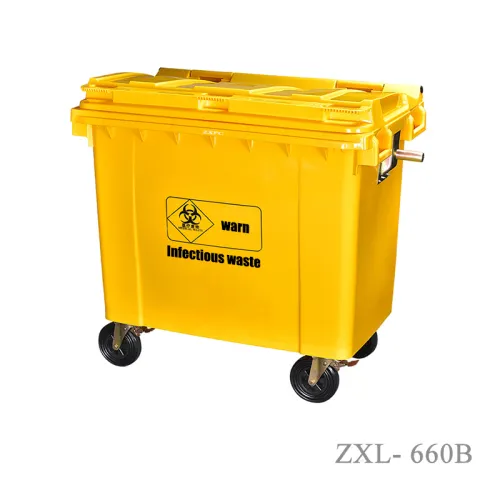
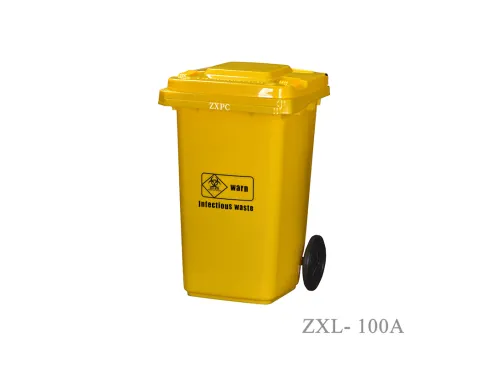
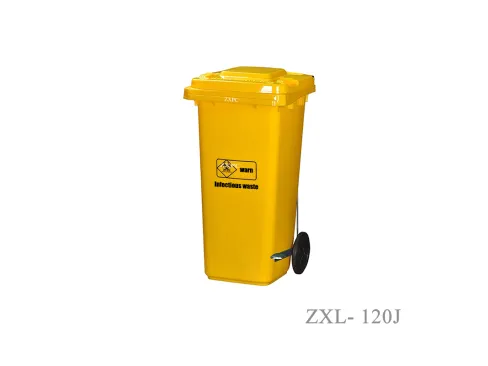
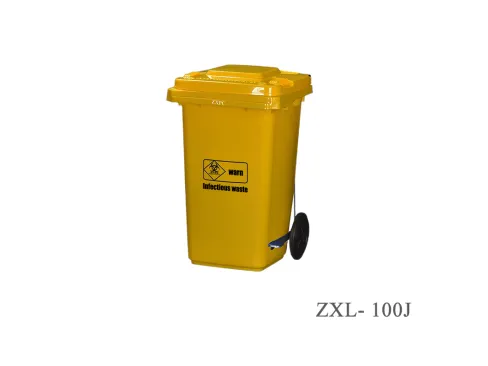
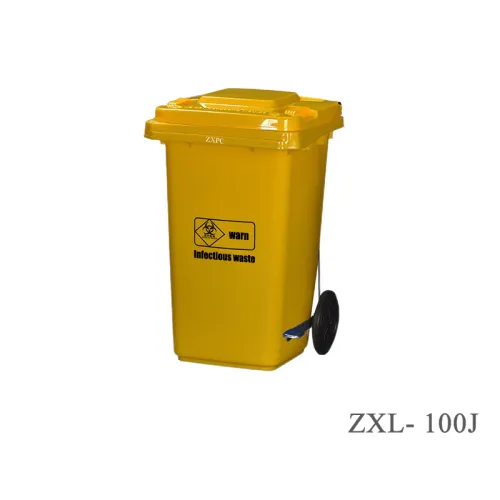
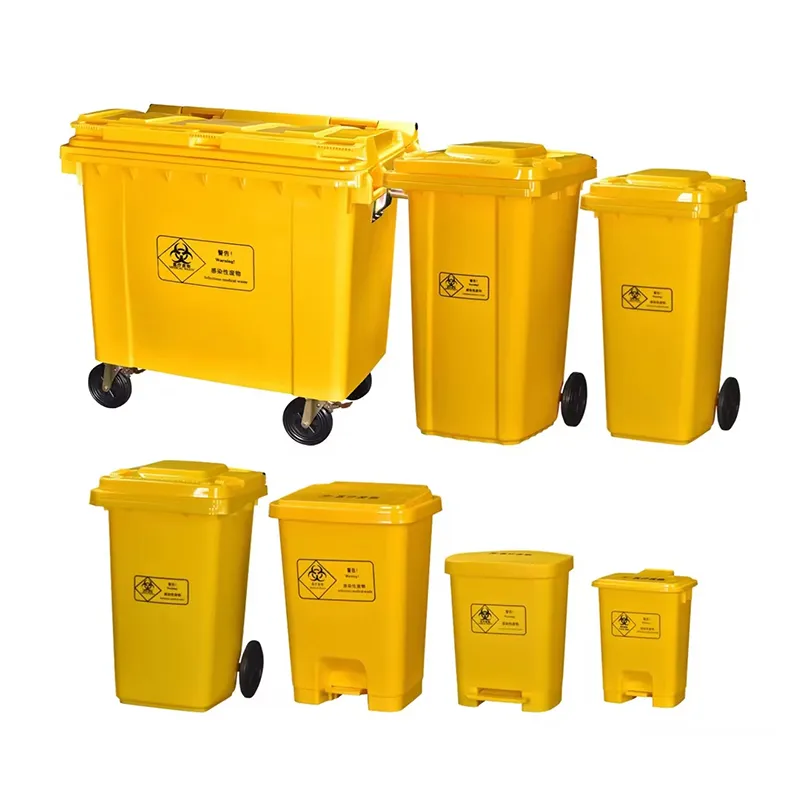
Biohazard waste bins are specifically engineered to handle infectious waste. These bins are often red or yellow, indicating the hazardous nature of their contents. They guarantee the containment of harmful pathogens and blood-borne pathogens. Common applications include:
Pharmaceutical waste containers are designed for the disposal of unused or expired medications. They often come with secure lids to prevent unauthorized access. This type of container is essential for:
These bins are intended for waste that does not pose a risk to health and safety, such as paper towels and non-contaminated packaging. They are typically found in restrooms and common areas within healthcare facilities. Applications include:
Selecting the appropriate medical waste bin is essential for effective waste management. Various factors, such as waste type, volume, and compliance regulations, should be considered.
| Factor | Description |
|---|---|
| Type of Waste | Identify the specific materials being disposed of to select the corresponding bin. |
| Volume of Waste | Choose a bin size that accommodates the anticipated amount of waste generated. |
| Location | Consider where the bin will be placed for ease of access and compliance with health regulations. |
| Regulatory Compliance | Ensure that the bin complies with local and national health disposal regulations. |
Proper usage and maintenance of medical waste bins are crucial to ensure safety and compliance. Here are key practices:
Regularly cleaning and inspecting medical waste bins increases their longevity and ensures compliance with health standards. Check for cracks or damage regularly.
Understanding the types of medical waste bins and their specific applications is key to maintaining a safe healthcare environment. Choosing the right bin can help manage healthcare waste effectively and within regulatory compliance. Ensure to follow the guidelines for proper usage and maintenance to protect both healthcare workers and patients.
A: There are several types of medical waste bins including sharp waste containers, biohazard waste bins, pharmaceutical waste containers, and non-hazardous waste bins, each designed for specific waste disposal needs.
A: Consider the type and volume of waste generated, the bin's location for accessibility, and ensure compliance with local and national health regulations when selecting a medical waste bin.
A: Regularly clean and inspect bins for damage, ensure they are accessible, and replace them promptly when full to maintain safety and compliance.
A: We manufacture a wide range of medical waste bins, including sharp waste containers and biohazard bins, ensuring high quality and compliance with health regulations.
A: Proper disposal involves using puncture-resistant sharp waste containers, securely sealing them once full, and following local regulations for disposal to ensure safety.