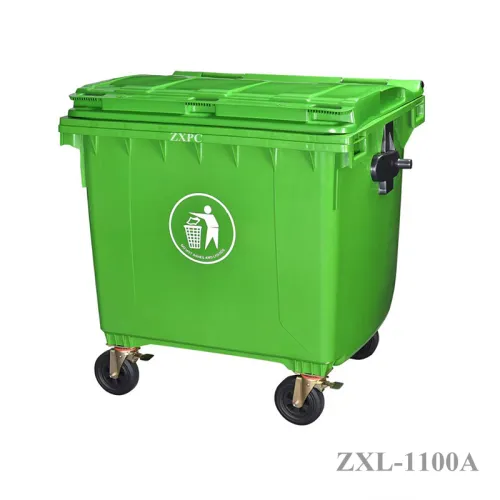
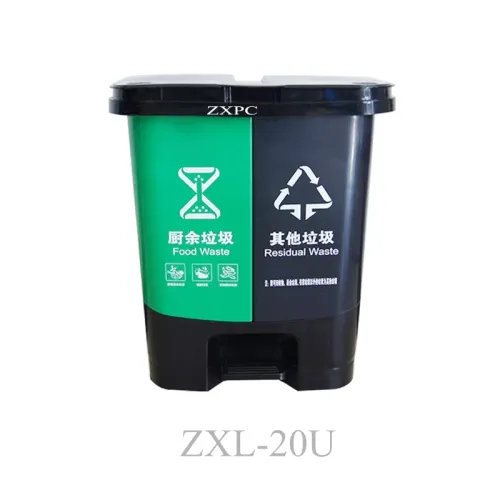
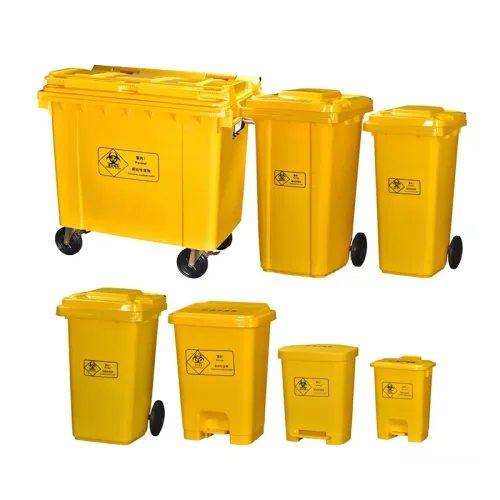
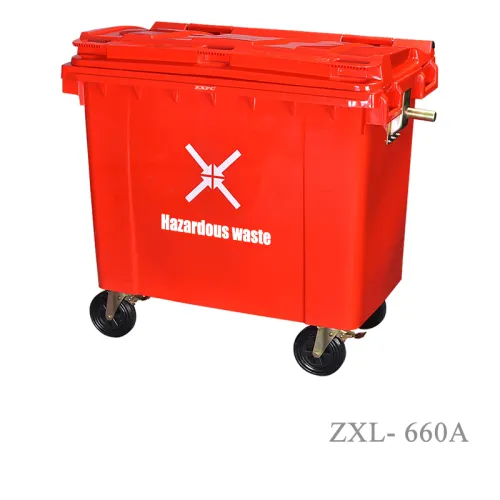
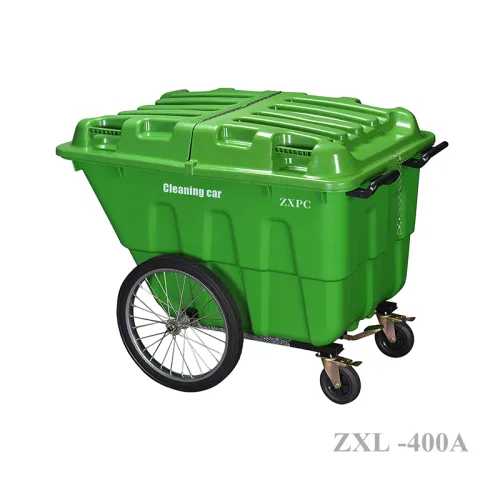
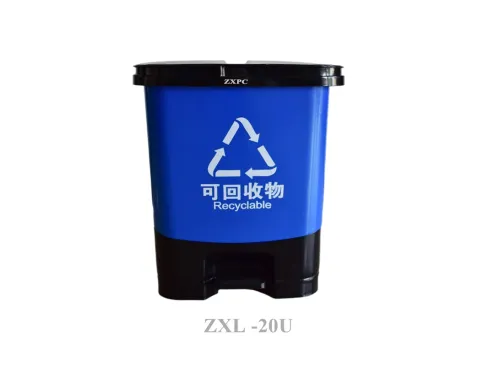
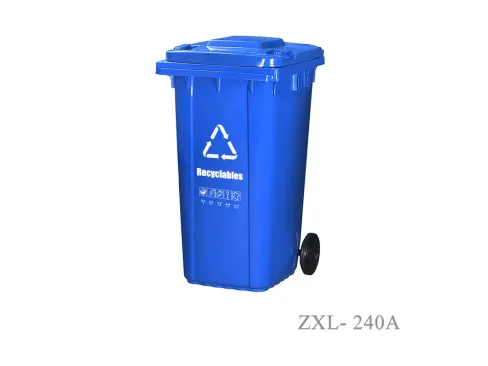
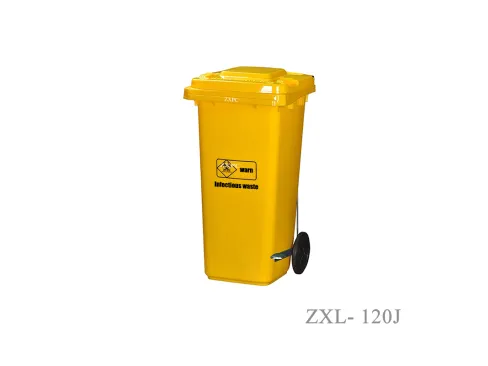
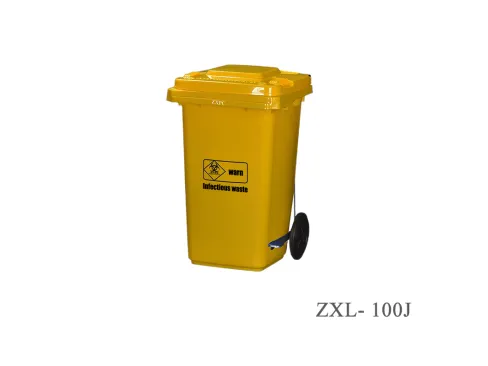
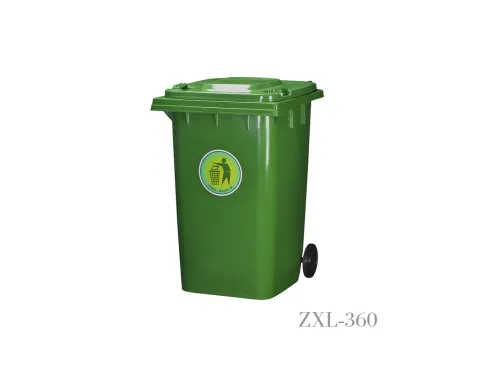
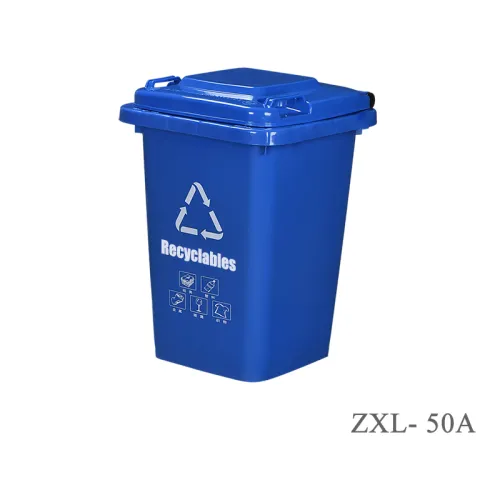
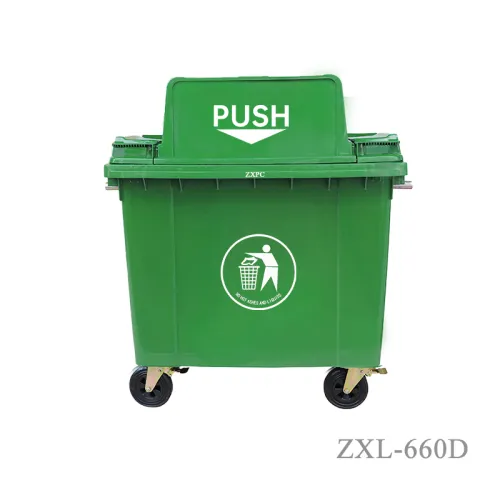
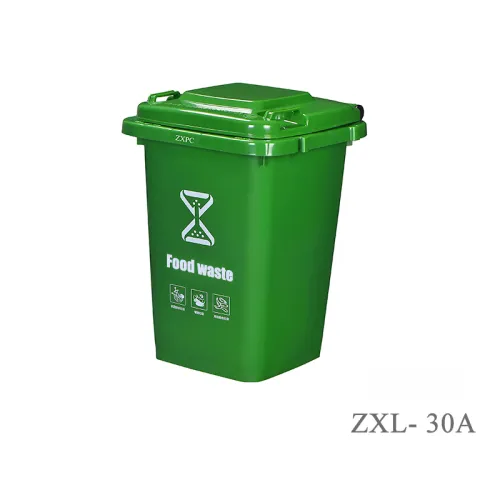
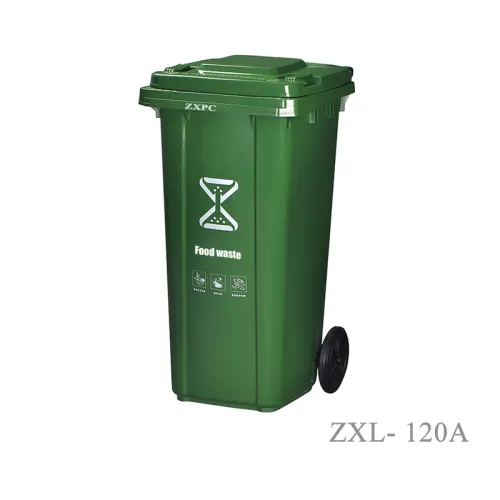
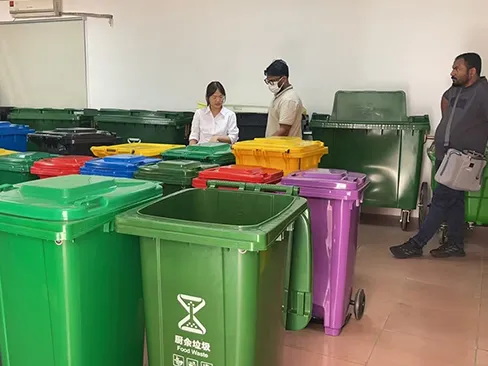
In the realm of waste management, understanding the different types of bins is crucial for both individuals and businesses alike. The four primary types of bins include general waste bins, recycling bins, compost bins, and specialized bins such as Medical Waste Bins. Each type serves specific purposes that align with sustainable practices and regulatory compliance, significantly enhancing operational efficiency and environmental responsibility for establishments like healthcare facilities, restaurants, and offices.
The concept of waste bins has evolved significantly over the years, transforming from simple containers to sophisticated solutions tailored to differing waste streams. Historically, waste disposal methods relied heavily on landfills and incineration. However, a growing awareness of environmental impacts has led to advancements in bin categorization, particularly with the introduction of specialized containers like the Medical Waste Bin, aimed at managing hazardous materials safely. By adhering to standards set by organizations such as ASTM and DIN, these innovations ensure compliant, efficient waste disposal while minimizing ecological footprints.
The practical significance of the four types of bins is profound. General waste bins collect non-recyclable waste, while recycling bins facilitate the segregation of recyclable materials like plastics, metals, and paper. Compost bins support organic waste management, allowing for the conversion of food scraps into nutrient-rich compost. Specialized Medical Waste Bins, essential in healthcare environments, are instrumental for the safe disposal of biohazardous materials, adhering to regulations that demand a 100% inspection rate for compliance. Utilizing these bins not only improves waste management practices but also enhances corporate responsibility and community health.
Despite the clear benefits, misconceptions surrounding bin usage persist. Many individuals assume that recycling bins alone can handle all types of waste, leading to contamination and increased costs in sorting. Others mistakenly believe that compost bins are only for yard waste, neglecting the value of composting food scraps. Furthermore, some businesses underestimate the critical importance of employing Medical Waste Bins for hazardous wastes, risking potential health hazards and legal ramifications. Educating stakeholders on the specific uses of each bin type is essential for optimizing waste management efforts and ensuring public safety.
Consider a case study where a local hospital implemented a structured waste management program incorporating Medical Waste Bins. By categorizing waste correctly and training staff on proper disposal methods, the hospital achieved a remarkable 30% reduction in total waste sent to landfills within just six months. They adhered to regulatory standards, ensuring all hazardous materials were disposed of in accordance with state laws. Such real-world applications underline the operational benefits of proper waste segregation and the financial savings stemming from efficient resource use.
In summary, understanding the four types of bins—general waste bins, recycling bins, compost bins, and specialized Medical Waste Bins—provides invaluable insight into effective waste management practices. Each type serves a critical role in minimizing environmental impact while ensuring compliance with safety regulations. By educating stakeholders and embracing comprehensive waste management solutions, businesses can contribute to sustainable practices while optimizing operational efficiency. To learn more, consider exploring additional resources or engaging with waste management authorities like ZXPC for tailored solutions that best fit your needs.
A: Your business should consider implementing general waste bins, recycling bins, compost bins, and specialized Medical Waste Bins. Each type serves a unique purpose in promoting sustainability and compliance with waste disposal regulations.
A: To ensure compliance, utilize specialized Medical Waste Bins that meet regulatory standards. Regular training for staff on proper disposal methods is essential in adhering to the regulations governing hazardous materials.
A: Recycling bins can accept plastic, metals, and paper, while compost bins are designed for organic waste, including food scraps. Proper segregation is critical to avoid contamination and improve waste management efficiency.
A: Yes, we offer tailored waste management solutions suited to your specific needs, including the provision of various waste bins and training for effective waste segregation.
A: Specialized bins for medical waste ensure safe handling and compliant disposal of biohazardous materials, reducing health risks and potential legal ramifications while enhancing operational efficiency.