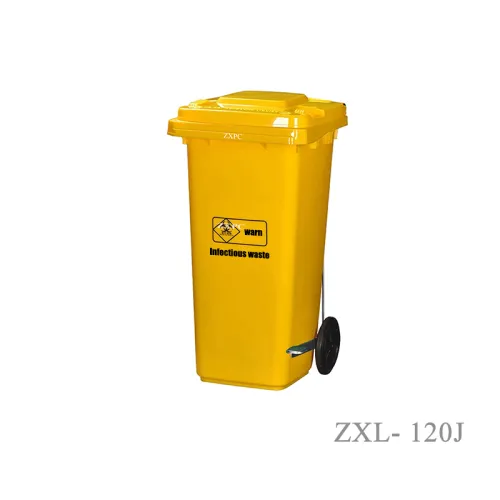
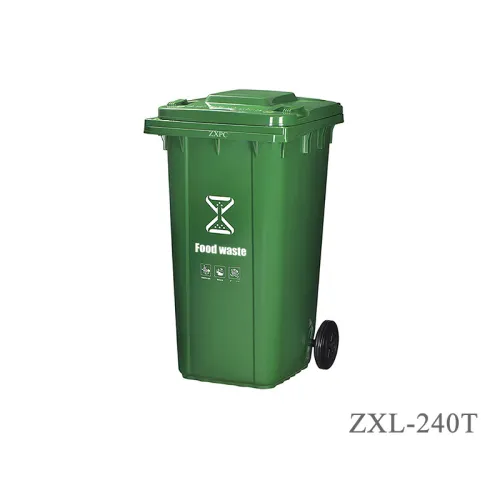
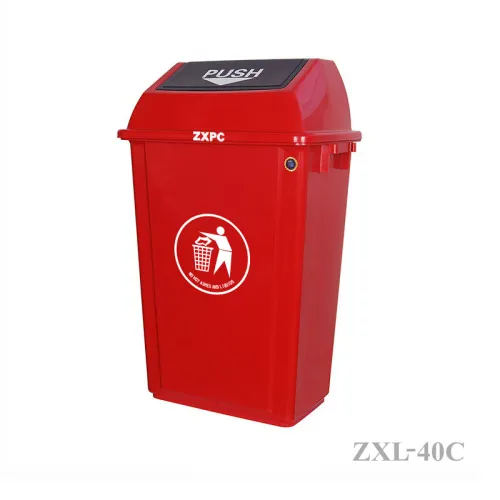
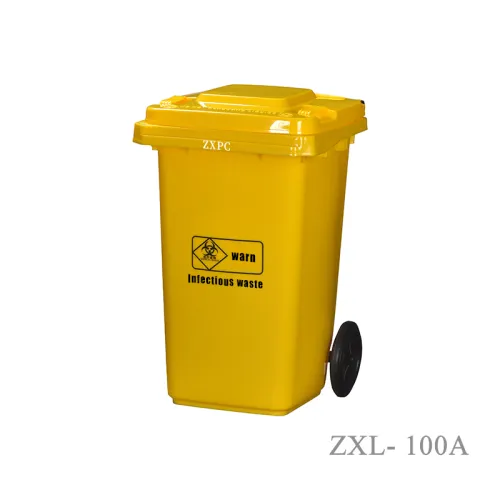
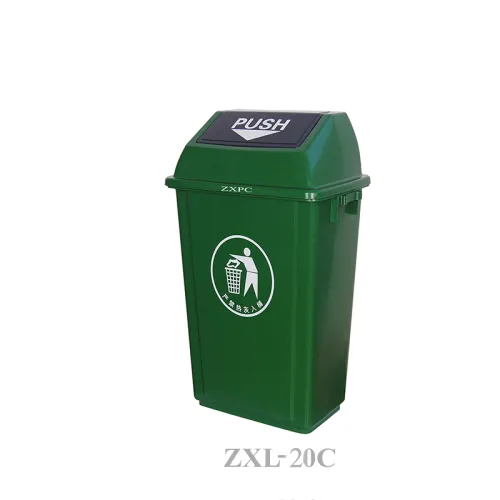
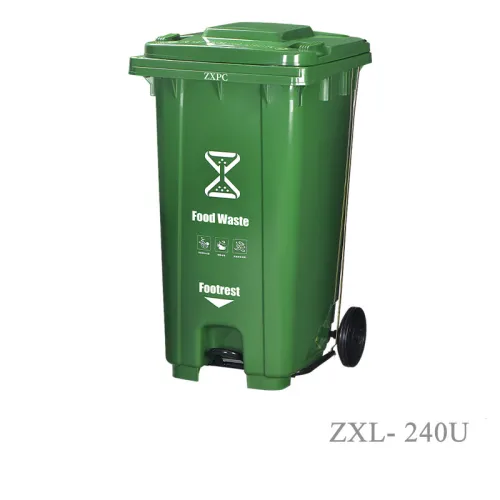
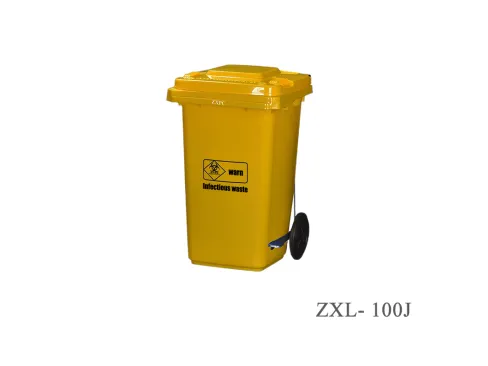
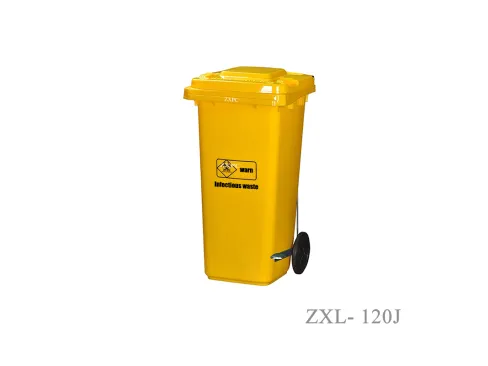
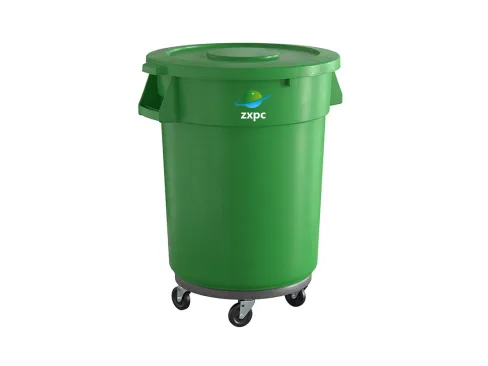
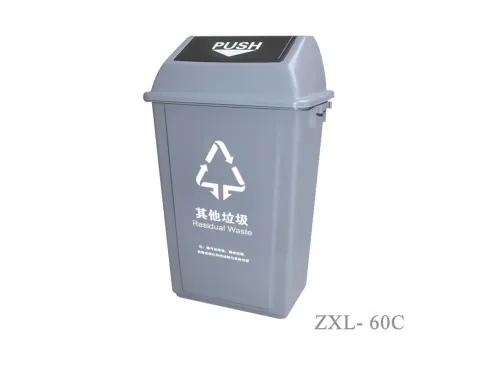
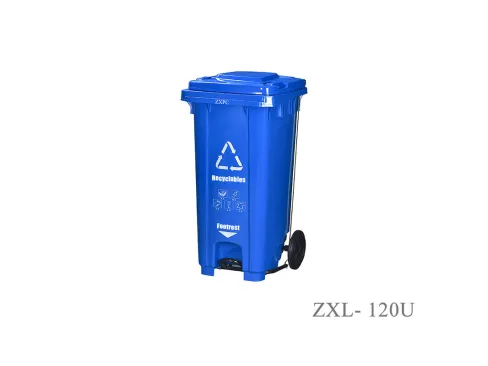
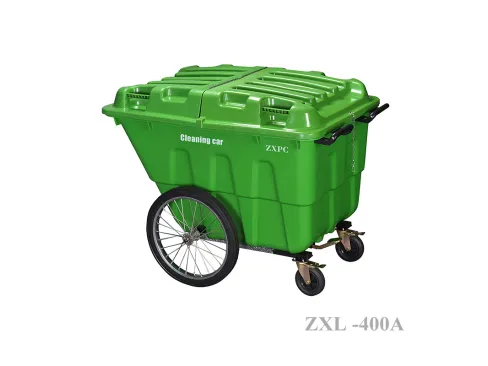
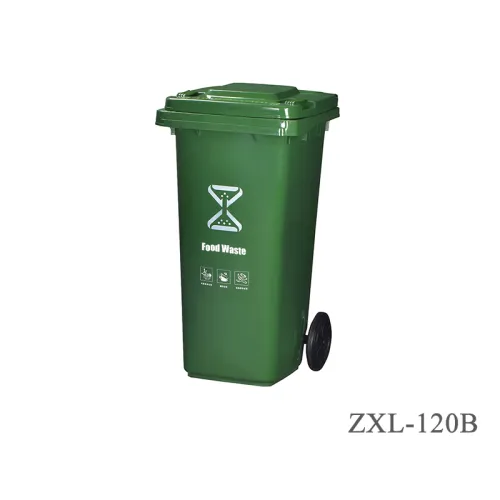
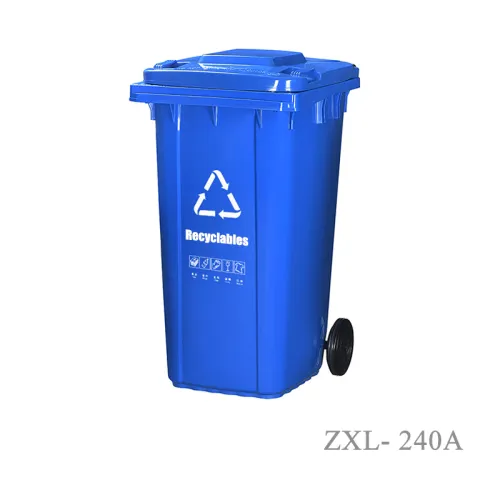
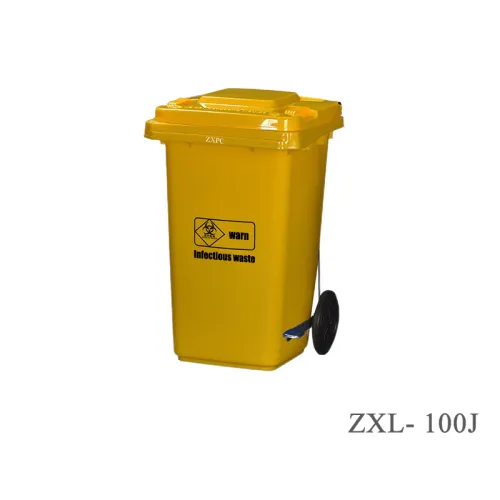
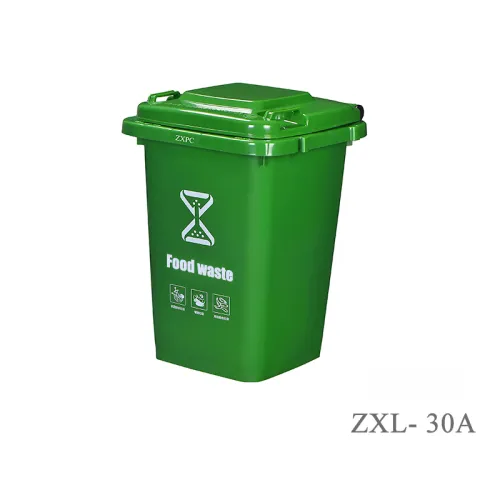
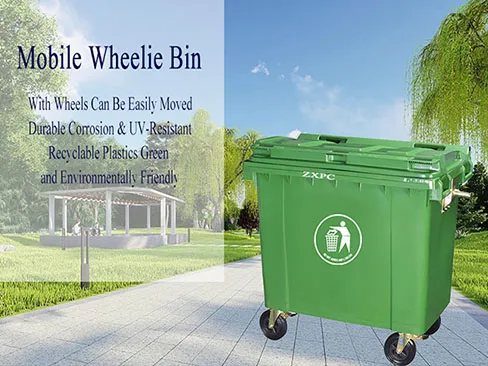
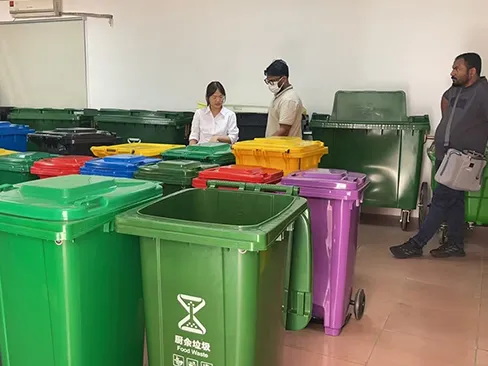
Before selecting an outdoor litter bin, assess the area where it will be placed. Consider foot traffic, local wildlife, and weather conditions that may impact the bin's functionality.
Calculate the expected volume of waste the bin will hold based on the location’s usage. For parks or busy areas, select a larger capacity bin; for less frequented areas, a smaller one may suffice.
outdoor litter bins come in various materials such as plastic, metal, and wood. Choose a durable material that can withstand weather conditions while being easy to clean.
Choose a bin that fits the environment aesthetically. A well-designed bin will blend in with the surroundings while encouraging proper waste disposal.
Select bins with features like a locking mechanism to prevent vandalism, a waterproof lid to protect contents from rain, and drainage holes to avoid water accumulation.
Some bins come with additional features like solar-powered compactors or built-in ashtrays. Decide if these features align with your needs.
Determine the best spots to install the litter bins, ensuring they are visible and accessible. Avoid areas where they may be obstructed or prone to vandalism.
Look for reputable suppliers like ZXPC that offer quality outdoor litter bins. Read reviews and compare prices to ensure you get the best deal.
Always review warranty and return policies before making a purchase to protect your investment in case the bin does not meet expectations.
Ensure compliance with local regulations regarding waste management and bin installation to avoid fines and inconveniences.
Pay attention to feedback from users regarding bin usage in similar settings. This can provide insight that influences your selection process.
By following these detailed steps, you can confidently select the right outdoor litter bin for your needs. Trust the quality and durability of ZXPC's product offerings to enhance community cleanliness and sustainability.
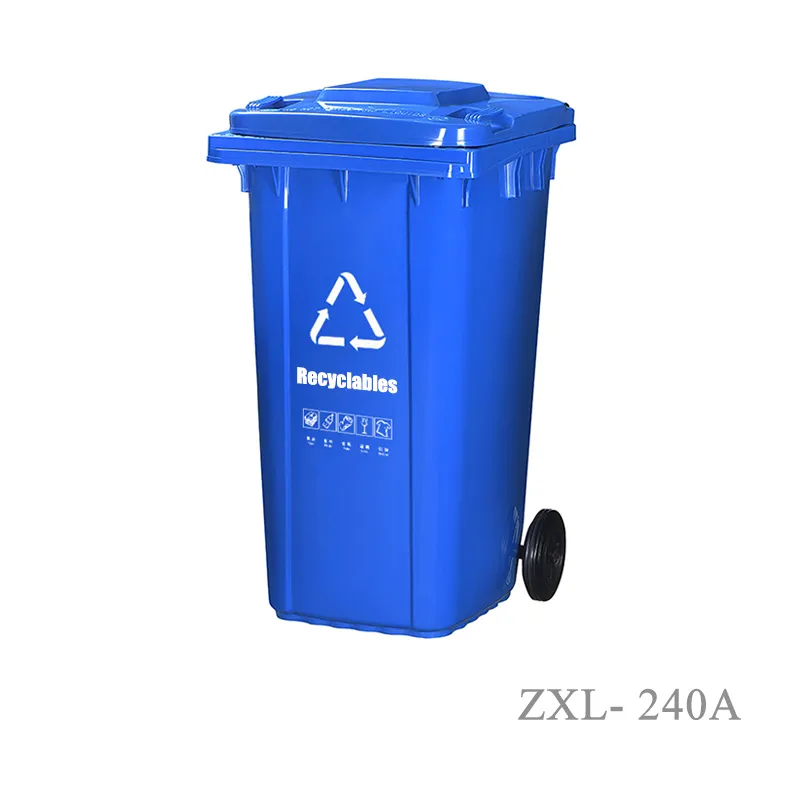
A: You should assess the foot traffic, local wildlife, and weather conditions of the area. Additionally, determine the required capacity based on the expected volume of waste.
A: Opt for materials such as plastic, metal, or wood that can withstand varying weather conditions while being easy to clean.
A: Consider bins with features like locking mechanisms to prevent vandalism, waterproof lids, drainage holes, or even solar-powered compactors if these align with your needs.
A: Install bins in visible, accessible areas while avoiding locations prone to obstruction or vandalism, ensuring they encourage proper waste disposal.
A: Research the local regulations regarding waste management and bin installation before making a purchase to avoid fines and inconveniences.