久久久噜噜噜久久熟女88,久久久久精品免费久精品,国模私拍精品一区二区,精品欧美一区二区三区精品,野花视频免费观看在线播放,午夜电影街理论电影院在线观看,成人午夜一区二区三区视频,国产成人久久777777,国产色噜噜噜在线观看精品,中文字幕日韩精品一区二区三区

Search

How to dispose of medical waste?

How to Effectively Dispose of Medical Waste: A Comprehensive Guide

Disposing of medical waste is a challenge faced by healthcare professionals and even households dealing with medical supplies. Users often struggle with finding safe, environmentally friendly solutions that comply with local regulations. If you’re looking for effective methods to manage your medical waste, including utilizing a Medical Waste Bin for proper segregation and disposal, this article provides clear, actionable steps, covering everything from preparation to common pitfalls.

Required Preparation for Medical Waste Disposal

Before you begin, gather the necessary materials and tools to ensure a smooth disposal process. You will need:

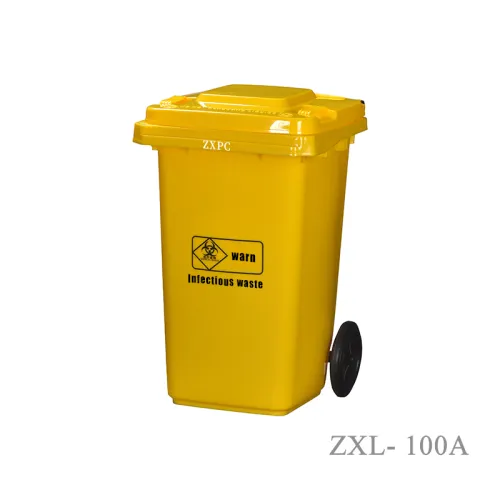
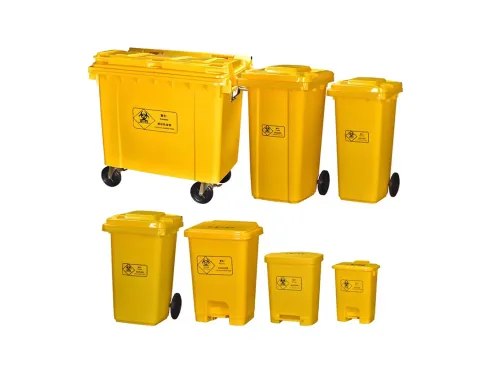
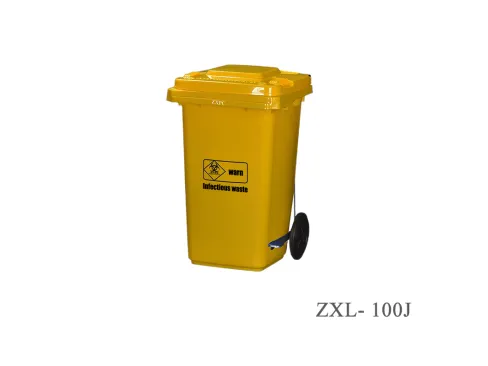
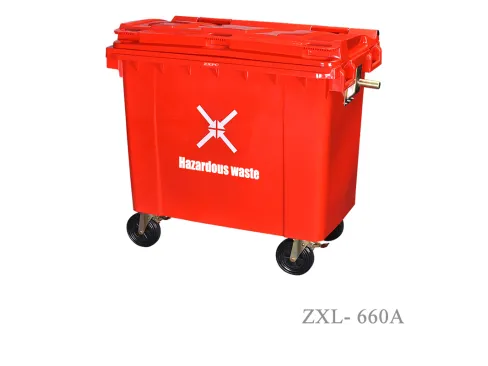
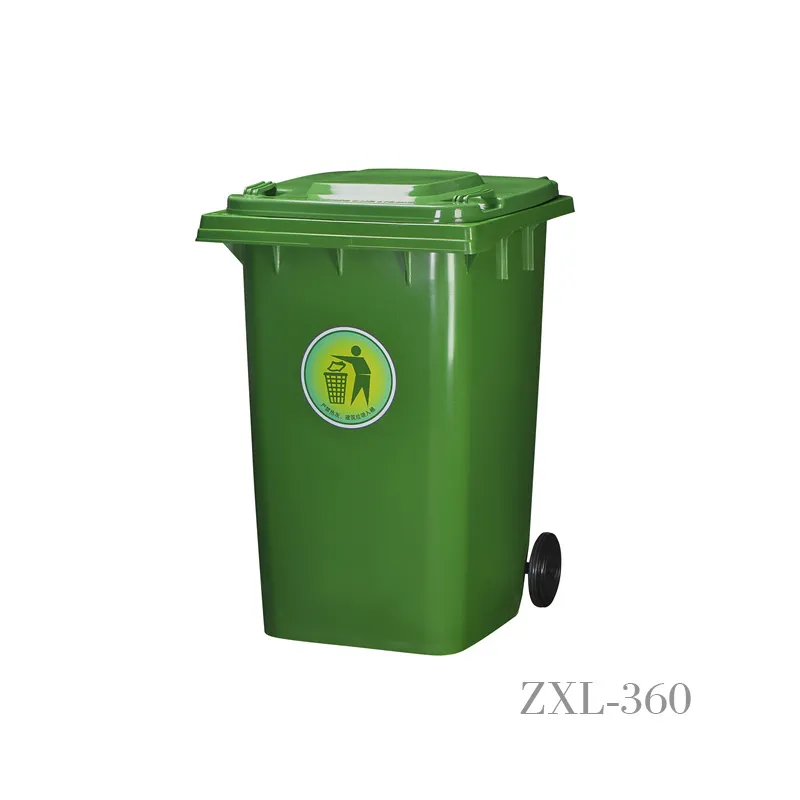
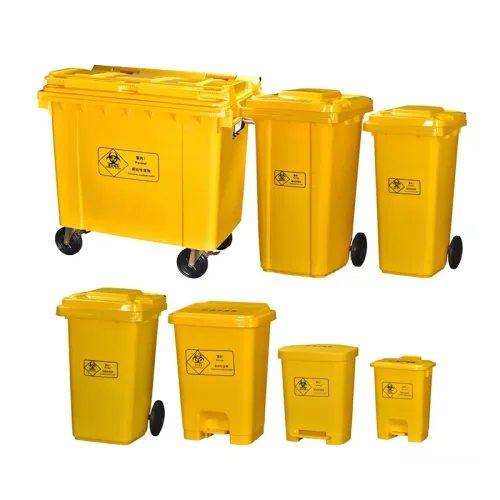
  1. Medical Waste Bin: Ensure you have an appropriately labeled medical waste bin, preferably one that is puncture-proof and leak-proof. This is essential for containing sharps and other hazardous materials.
  2. Personal Protective Equipment (PPE): Gloves, masks, and goggles will protect you from exposure.
  3. Disposal Service Information: Identify local biohazard waste disposal companies that comply with environmental regulations.

Step-by-Step Guidance on Medical Waste Disposal

Follow these steps to safely manage medical waste:
  1. Understand the Regulations: Familiarize yourself with local laws and guidelines regarding medical waste disposal. For instance, according to the CDC, medical waste must be handled in accordance with each state’s regulations and federal guidelines.
  2. How to dispose of medical waste?
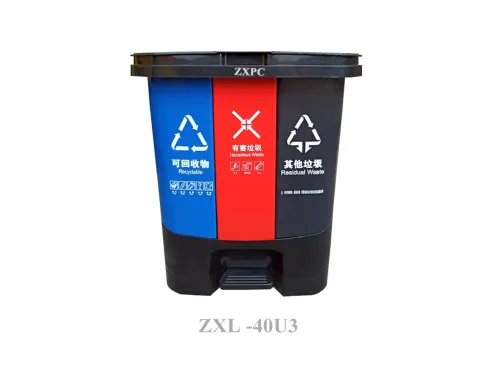
  3. Separate Your Waste: Based on insights from healthcare professionals, waste should be separated into categories: sharps (needles, blades), pathological waste (tissues, organs), pharmaceutical waste (expired medications), and general medical waste. A study indicated that proper segregation can reduce the volume of medical waste by up to 20%.
  4. Fill the Medical Waste Bin: Place all medical waste directly into the designated Medical Waste Bin. Ensure it is never overfilled. For example, when a nurse at a local clinic switched to a new waste disposal strategy, she found that properly utilizing a Medical Waste Bin led to a 50% reduction in workplace accidents involving sharps.
  5. Seal and Label the Bin: Once full, seal the bin securely to prevent leaks. Label it with the appropriate biohazard symbols to indicate the contents are hazardous.
  6. Schedule a Pickup: Contact your local disposal service to arrange for scheduled pickups. It's recommended to establish a regular collection timeline, which can be weekly or bi-weekly, based on the volume of waste.

Common Errors and Solutions

Many individuals and facilities encounter issues when disposing of medical waste. Here are typical mistakes and how to avoid them:

  • Improper Segregation: Mixing general waste with medical waste is a frequent error. Always categorize your waste properly to mitigate risks.
  • Ignoring Local Laws: Failing to check local disposal laws can lead to hefty fines. Make a note to review regulations annually or whenever new guidelines are issued.
  • Inadequate Training: Staff shortages often leave new employees undertrained. Implement a training program to educate your staff about correct disposal methods and the importance of compliance.

Summary and Suggestions

In summary, managing medical waste efficiently is crucial for both safety and environmental sustainability. Utilizing a Medical Waste Bin is a vital aspect of this process. Ensure you follow the steps outlined in this guide, and remember that correct handling reduces health risks and promotes a cleaner environment. For optimal results, consider investing in high-quality medical waste disposal supplies from trusted brands like ZXPC, designed to meet stringent safety standards.

FAQ

What types of waste must be disposed of in a Medical Waste Bin?

Medical waste includes sharps, pathological waste, pharmaceutical waste, and any materials contaminated by bodily fluids.

How often should a Medical Waste Bin be collected?

It typically depends on the volume of generated waste, but weekly pickups are common in many healthcare facilities.

Can household medical waste be disposed of in regular trash?

No, household medical waste, such as used needles or expired medications, must be disposed of through a hazardous waste program or a designated Medical Waste Bin to prevent contamination and harm.

FAQ

Q: What specifications should I look for when purchasing a Medical Waste Bin?

A: When selecting a Medical Waste Bin, ensure it is puncture-proof, leak-proof, and clearly labeled with biohazard symbols. These features help ensure safe containment and compliance with regulations.

Q: How can I determine the appropriate pick-up frequency for my Medical Waste?

A: The collection frequency typically depends on the volume of medical waste generated. Weekly pick-ups are standard for many healthcare facilities, but you may adjust this based on your specific needs.

Q: Are there any eco-friendly options for Medical Waste disposal supplies?

A: Yes, many suppliers, including ZXPC, offer eco-friendly Medical Waste Bins and disposal supplies designed to meet safety standards while minimizing environmental impact.

Q: What types of medical waste should be disposed of differently?

A: Sharps like needles, pathological waste, and pharmaceutical waste must be separated from regular waste and disposed of in a designated Medical Waste Bin to prevent contamination and hazards.

Q: Can I buy Medical Waste disposal supplies in bulk for my facility?

A: Yes, bulk purchasing options are often available from suppliers. This can provide significant cost savings and ensure your facility is adequately stocked for safe waste management.
kf-icon
kf-icon
Chat with Us