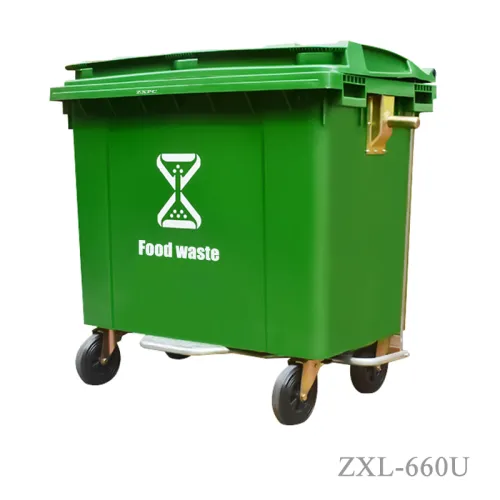
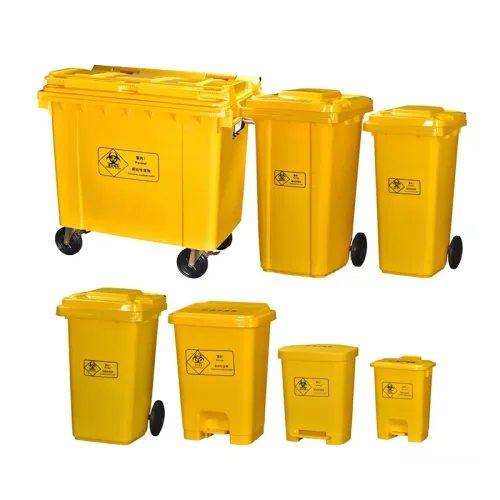
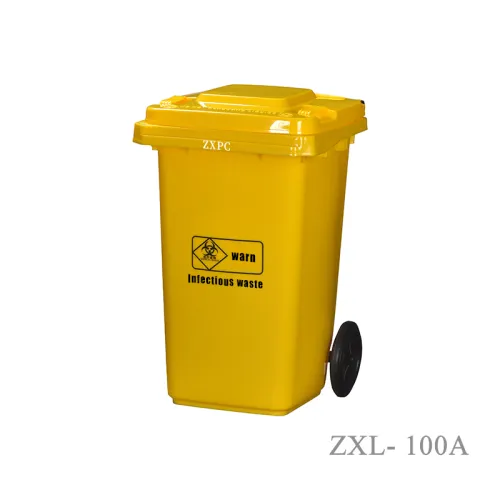
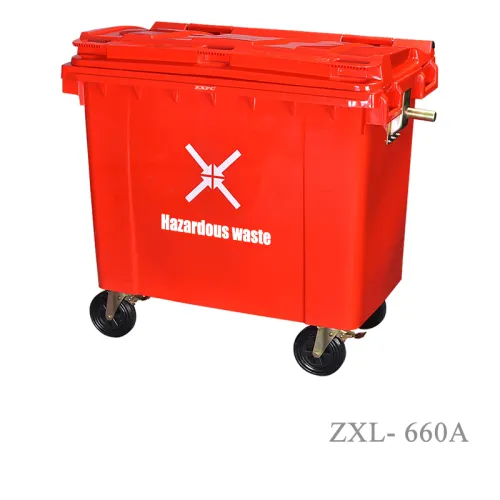
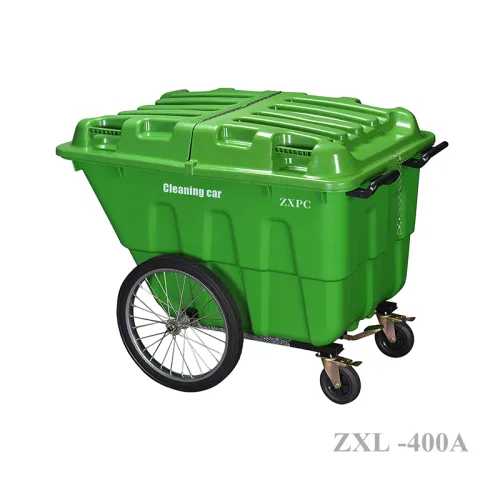
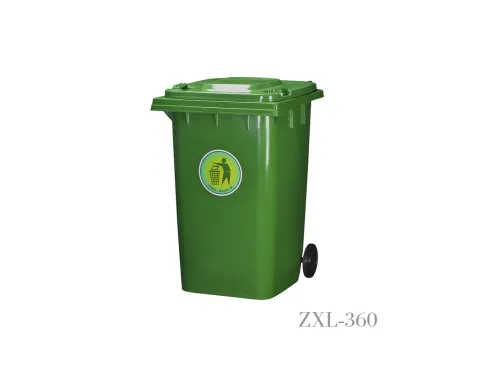
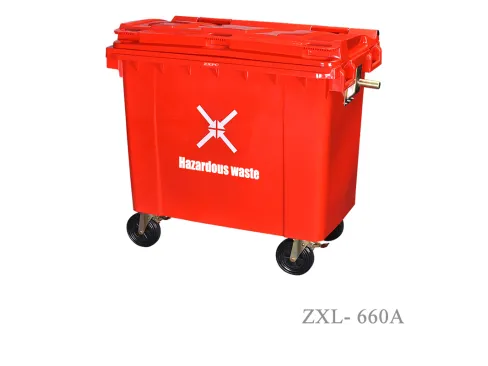
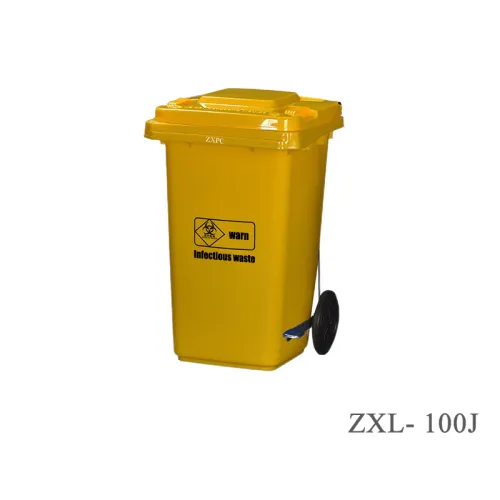
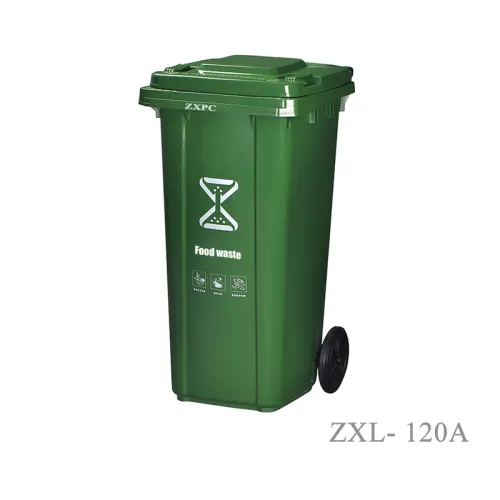
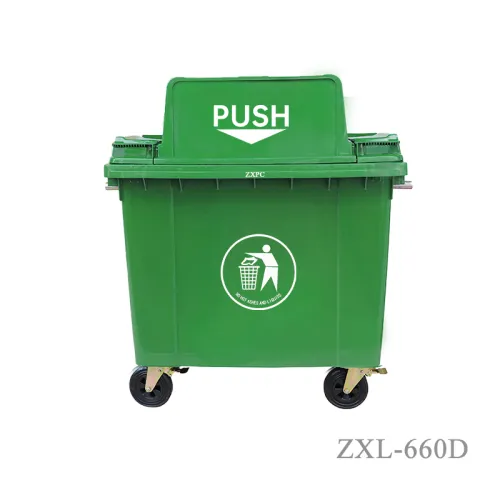
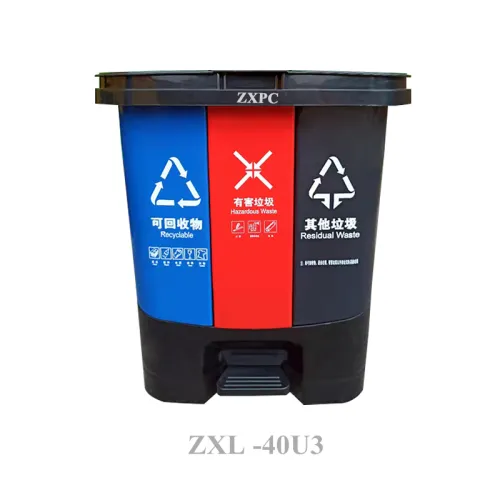
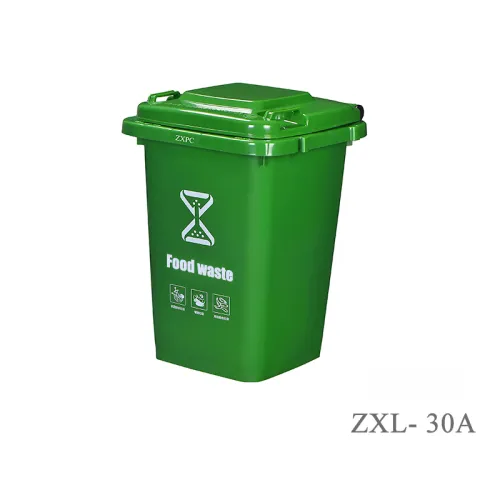
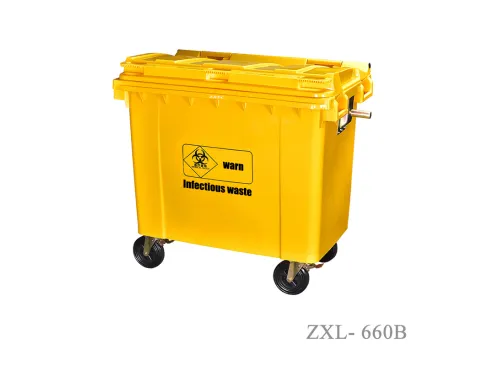
Medical Waste Bins are specialized containers designed to safely collect and transport medical waste, which includes any waste materials generated in healthcare settings. Adhering to medical waste bin standards is crucial for businesses to protect both public health and the environment. By following established guidelines, facilities can minimize the risk of exposure to hazardous materials, ensuring safe disposal practices, and ultimately enhancing their operational efficiency.
The history of medical waste management is rooted in the evolution of healthcare practices. As the medical field advanced, the recognition of the dangers posed by improperly handled waste became evident. In the 1980s, regulatory bodies began publishing standards for the safe disposal of medical waste, establishing guidelines that organizations like the World Health Organization (WHO) and the Environmental Protection Agency (EPA) would later adopt. Compliance with these standards not only aids in legal adherence but also fosters a culture of safety in healthcare environments.
In real-world applications, medical waste bins serve a vital role in healthcare facilities, laboratories, and emergency response situations. These bins are constructed to meet specifications set forth by international standards such as ASTM and DIN, which ensure the durability and safety needed to contain infectious materials. Utilizing medical waste bins properly minimizes the risk of cross-contamination, protects healthcare workers, and ensures that waste is disposed of in accordance with local regulations. For instance, using color-coded bins—red for biohazardous waste and yellow for sharps—helps streamline the waste segregation process, enhancing overall operational efficiency.
Despite the importance of these standards, there are several misconceptions regarding medical waste bins. A common error is the assumption that any container can be used to dispose of medical waste. In reality, medical waste bins must meet specific regulatory standards to be effective. For example, bins designated for sharps must have a minimum puncture resistance to prevent accidents. Furthermore, some facilities mistakenly believe that once waste is in a medical waste bin, they are immune from legal repercussions. In truth, facilities remain responsible for proper waste disposal even after it has been placed in a bin, underscoring the necessity of collaborating with certified waste disposal services.
To further illustrate the significance of complying with medical waste bin standards, consider a case study from a mid-sized hospital. By implementing proper waste segregation protocols and investing in compliant medical waste bins, the hospital reduced its waste disposal costs by 30%, improved its environmental footprint, and achieved a 100% compliance rate during their last regulatory inspection. Additionally, staff reported feeling safer and more knowledgeable about waste handling practices, significantly boosting morale.
In summary, adhering to medical waste bin standards is not just a regulatory requirement; it is a commitment to safeguarding public health and environmental integrity. The benefits of proper waste segregation, increased operational efficiency, and enhanced employee safety cannot be overstated. Facilities should take proactive measures to educate themselves about these standards and integrate best practices into their operations. For those looking to enhance their waste management processes further, exploring advanced solutions from trusted brands like ZXPC could be an invaluable next step.
Keep informed and ensure your facility meets medical waste bin standards efficiently and effectively.
A: When selecting medical waste bins, ensure they comply with international standards such as ASTM and DIN, which guarantee safety and durability for containing infectious materials.
A: Utilize color-coded bins—red for biohazardous waste and yellow for sharps—to streamline the waste segregation process, and train staff on proper disposal protocols.
A: Investing in compliant medical waste bins can lead to reduced disposal costs, improved environmental impact, and enhanced safety for healthcare workers.
A: No, not any container can be used. Medical waste bins must meet specific regulatory standards to effectively contain hazardous materials and protect public health.
A: Research manufacturers and suppliers with a proven track record in healthcare waste management, such as ZXPC, to ensure you receive quality products that meet compliance standards.