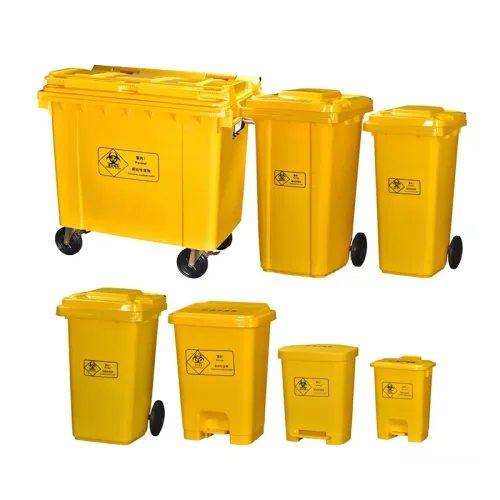
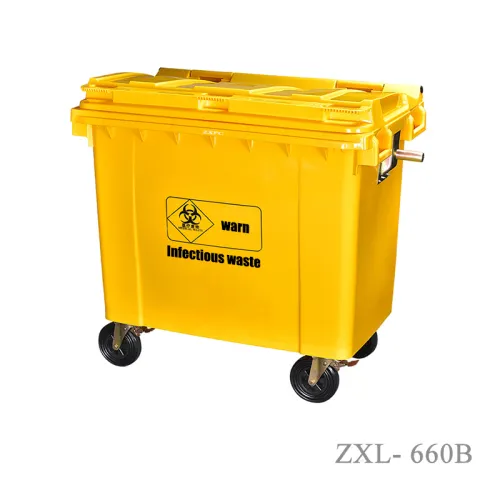
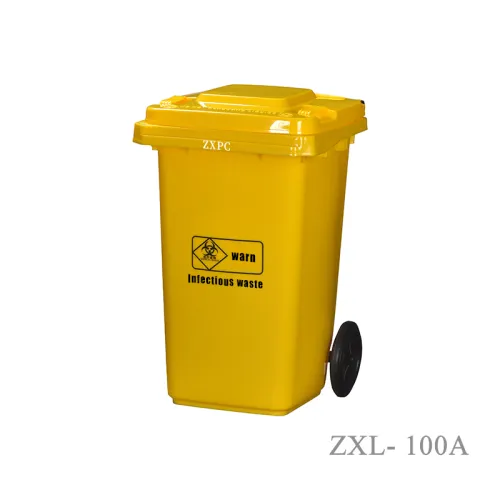
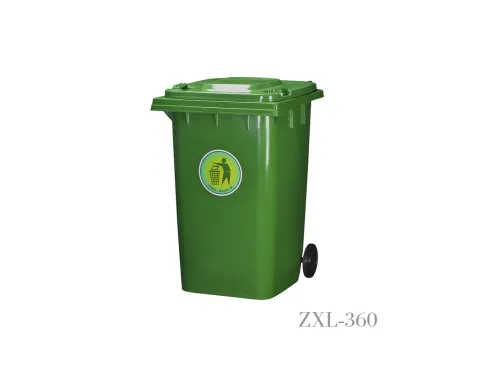
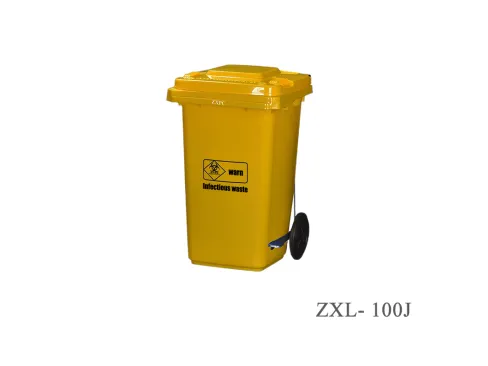
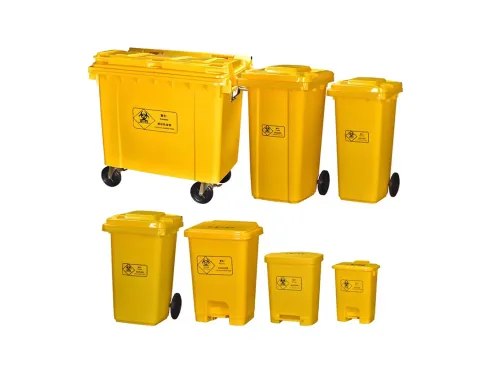
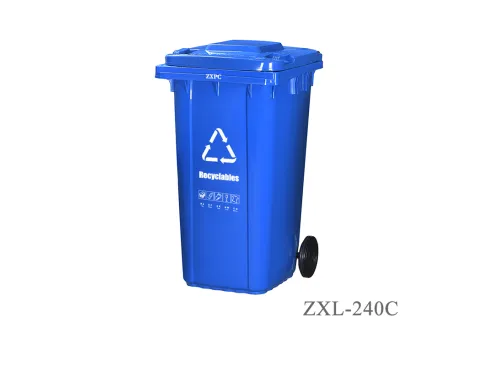
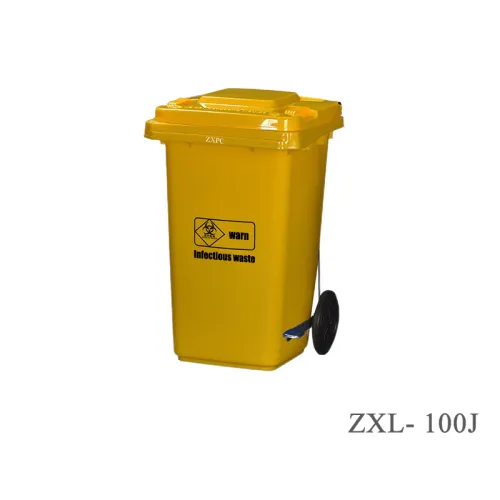
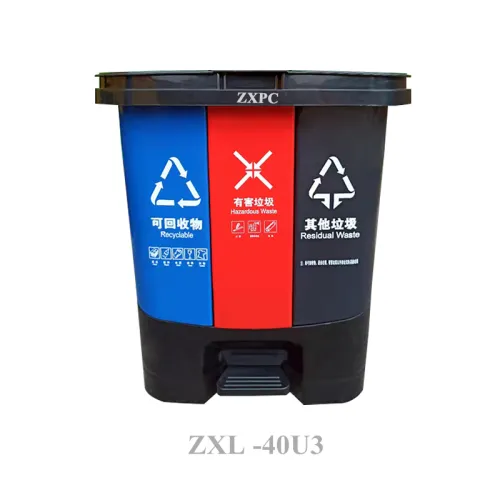
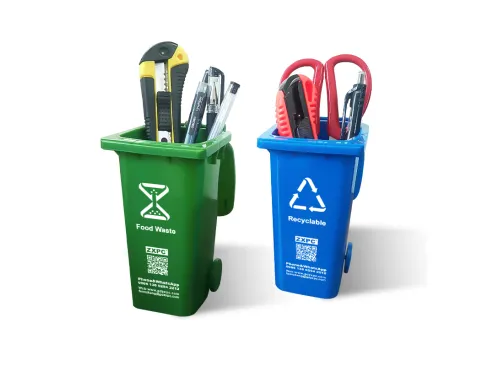
In today’s world, managing plastic waste bins is a pressing challenge, especially as urban areas continue to grow. Many households face the dilemma of selecting the right material for their wheelie bins. Traditional materials often struggle with durability, leading to frequent replacements, which contributes to increased plastic waste. For instance, various types of bins can crack or degrade under harsh weather conditions, resulting in additional waste and financial strains on families. However, the introduction of HDPE (High-Density Polyethylene) wheelie bins offers an advanced solution that effectively addresses these pain points. This article explores the unique advantages of HDPE, supported by data and expert insights.
One of the primary benefits of using HDPE for plastic waste bins is its remarkable strength and impact resistance. An analysis from the American Society for Testing and Materials (ASTM) indicates that HDPE can withstand stress up to 3,000 psi, which is vital when considering the daily wear and tear plastic waste bins endure. Unlike bins made of inferior materials that can splinter or become brittle over time, HDPE stands strong against comprehensive tests for durability, routinely lasting more than 10 years in practical use. This longevity drastically reduces the frequency of replacements, offering significant cost savings over time.
Another alluring aspect of HDPE is its resistance to extreme temperatures. Research highlights that while many plastic materials struggle in severe weather, HDPE retains its integrity between -40°F to 120°F (-40°C to 49°C), making it an ideal choice for diverse climates across various geographical locations. This resilience means fewer incidents of damage and reduced concern over premature failures. In comparison, bins made from recycled or lower-grade plastics tend to become brittle in the cold or warp under heat, leading to less effective waste management.
Moreover, HDPE is resistant to various chemicals, which is particularly relevant for households that deal with hazardous or corrosive waste. Unlike bins made from weaker plastics, HDPE does not easily degrade when in contact with substances such as cleaning agents or oils, ensuring safety and longevity. A study conducted by Waste Management World in 2022 underlines that 78% of users found HDPE bins prompted them to adopt a more conscientious approach to waste disposal, simply due to their reliability and effectiveness.
While HDPE wheelie bins shine in numerous aspects, it is crucial to compare them with alternative materials. For example, if we juxtapose HDPE with traditional plastic bins, we see that the latter often faces issues such as cracking and fading, attributed to lower durability standards. Reports indicate that the lifespan of typical waste bins can be as short as 3 years, a stark contrast to the double-digit longevity expected from HDPE options. Consumers benefit significantly when investing in HDPE; they not only avoid the need to replace bins frequently but also contribute less to plastic waste and landfill overflow.
In conclusion, the transition to HDPE for plastic waste bins is not merely a choice but a smart investment into the future of waste management. With exceptional durability, weather resistance, and reduced environmental impact, HDPE stands as a preferred material for families dedicated to effective waste disposal. For those looking to make the switch, integrating brands such as ZXPC, known for their superior quality HDPE bins, is a worthwhile consideration that can enhance user experience significantly.
If you’re intrigued by the capabilities of HDPE and want to explore more about how these innovative wheelie bins can benefit your household, consider reaching out to ZXPC for further insights or a trial use. Their range of products ensures quality and performance that stands the test of time.
FAQs
What is HDPE and why is it used for wheelie bins?
HDPE stands for High-Density Polyethylene, a thermoplastic known for its high strength-to-density ratio. It is used in wheelie bins due to its exceptional durability, resistance to impact, and ability to withstand extreme weather.
How long can I expect my HDPE wheelie bin to last?
HDPE bins are designed to last over 10 years under regular use, thanks to their structural integrity and resistance to degradation from environmental factors.
Are there environmental benefits to using HDPE wheelie bins?
Yes, HDPE is recyclable, and using these bins reduces the frequency of replacements, which in turn lowers the contribution to landfills as well as overall plastic waste generation.
A: HDPE offers superior strength, impact resistance, and longevity, lasting over 10 years, while traditional plastics can crack or degrade within 3 years.
A: Yes, HDPE maintains its structural integrity between -40°F to 120°F, making it suitable for various climates without warping or becoming brittle.
A: You can expect your HDPE wheelie bin to last over 10 years under regular usage due to its exceptional durability.
A: Yes, HDPE is recyclable and reduces the frequency of replacements, thereby lowering overall plastic waste and contributing less to landfills.
A: You can explore ZXPC's range of superior HDPE bins, known for their durability and performance. Visit their website to check availability and product specifications.