When it comes to managing waste effectively, one critical factor is selecting the right size waste bin. I understand that this decision can be daunting, whether you’re a newcomer or someone with experience. To simplify the process, I’ve compiled a structured solution, detailing everything from evaluating your needs to successfully implementing your choice of industrial waste bins. Let's dive into a straightforward, step-by-step approach that ensures you get it right the first time.
The journey begins with analyzing your waste generation patterns. Start by assessing the type and volume of waste your environment produces. This step is crucial; for instance, knowing whether you handle mostly recyclables, organic material, or general waste helps in selecting a bin that not only accommodates your needs but optimizes space efficiency. Often, users underestimate the space they require—research shows that inadequate bin sizes can lead to overflow and subsequent cleanup costs.
Next, consider the space available for the waste bin. I’ve found that many people overlook this aspect, ultimately leading to poor placement choices. Measure the area where the bin will reside, allowing for accessibility and aesthetics. A bin that is too large for the space could hinder movement or look unsightly. As a guide, allocate around 10-15% extra space compared to the bin size you’re considering, giving it room to breathe and avoiding anything looking cramped.
Having done the groundwork, you’ll want to think about the material of the waste bin. Choosing robust industrial waste bins made from high-density polyethylene (HDPE) are advisable since they offer durability and resistance to a range of environmental factors. When I made this switch, I noticed a significant reduction in maintenance and replacement costs. Furthermore, check if the products conform to industry standards such as ASTM and DIN, as this can guarantee quality and longevity.
Moreover, I recommend exploring tools like a waste estimation calculator. These calculators ask you specific questions regarding your waste type and generate tailored recommendations on bin sizes. In my experience, these resources save users time and effort while ensuring an accurate match.
As helpful as these steps are, challenges may arise. One common issue is miscalculating the waste bin capacity—this often leads to overfilling or underutilization. My strategy to overcome this was to maintain regular waste audits, allowing for ongoing adjustments based on weekly or monthly waste generation trends. Creating a schedule for these audits can effectively streamline your waste management, making it a proactive rather than reactive process.
To further solidify these recommendations, consider looking at real-life success stories. One organization I worked with doubled their waste reduction efforts after switching from a small bin to a larger, strategically placed industrial waste bin. They noted a 30% increase in recycling rates, simply by making waste disposal easier for employees. Their experience emphasizes the impact proper waste bin sizing can have on overall waste management efficiency.
In conclusion, taking a systematic approach to choosing the right size waste bin can significantly affect your waste management strategy. By accurately assessing your needs, considering space availability, selecting durable materials, and utilizing available resources, you're well on your way to making an informed decision. I encourage you to implement these guidelines thoroughly. You’ll find that the right industrial waste bins can simplify waste management and improve your operational efficiency while aligning with best practices in the industry.
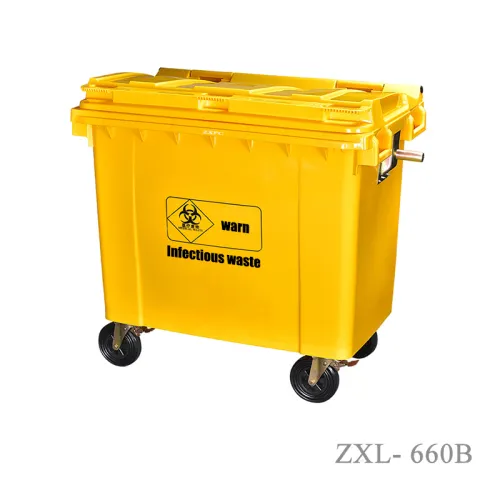
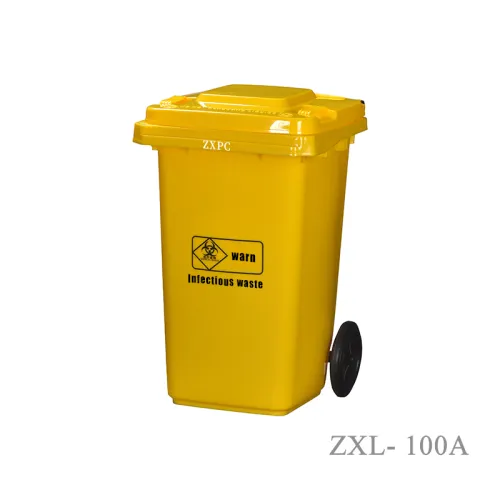
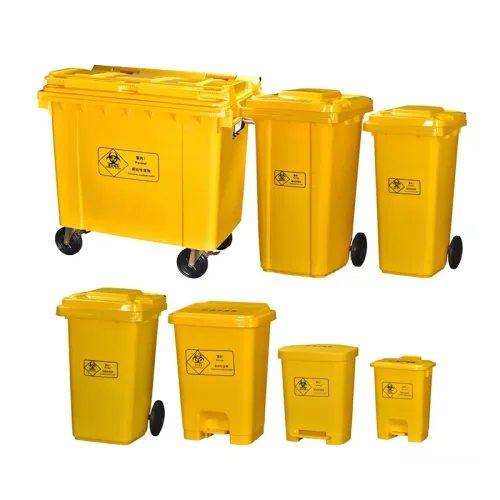
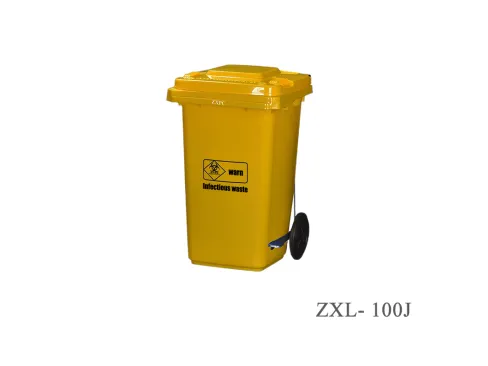
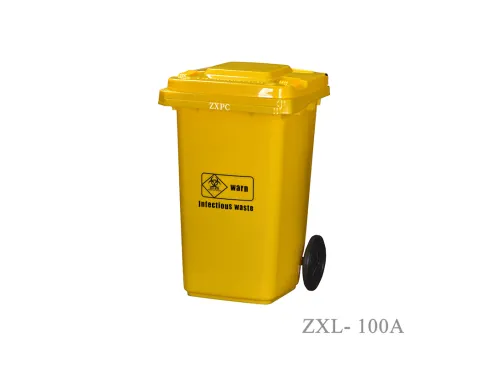
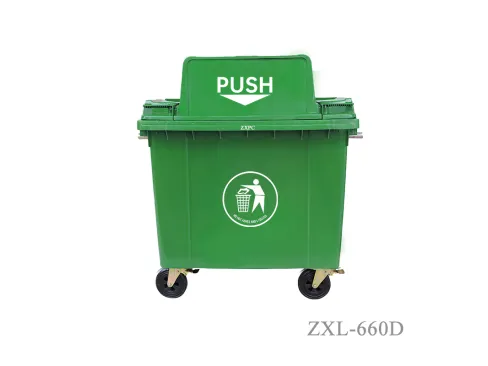
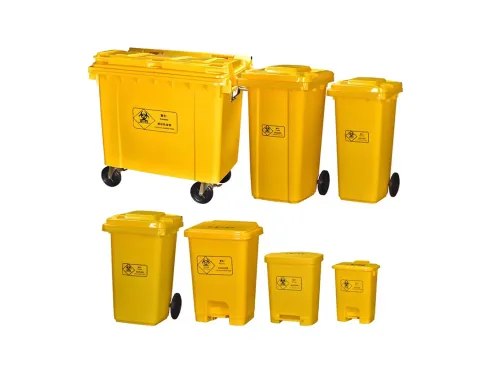
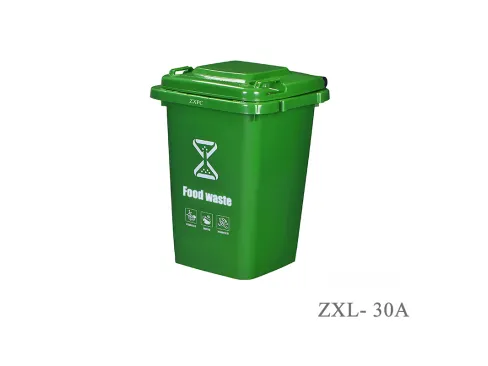
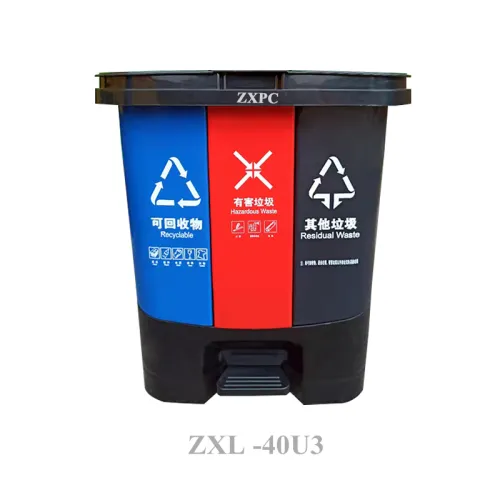
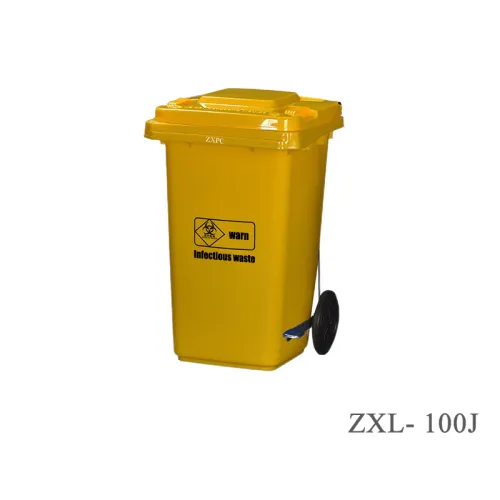
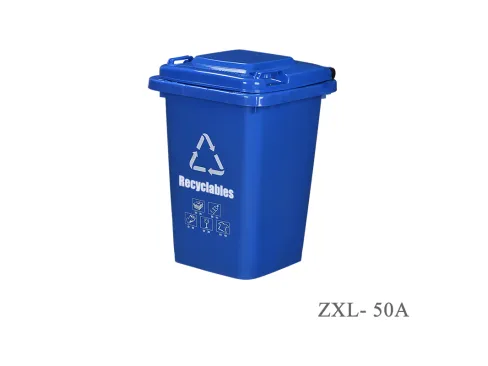
For visual reference, check out this image for consideration: 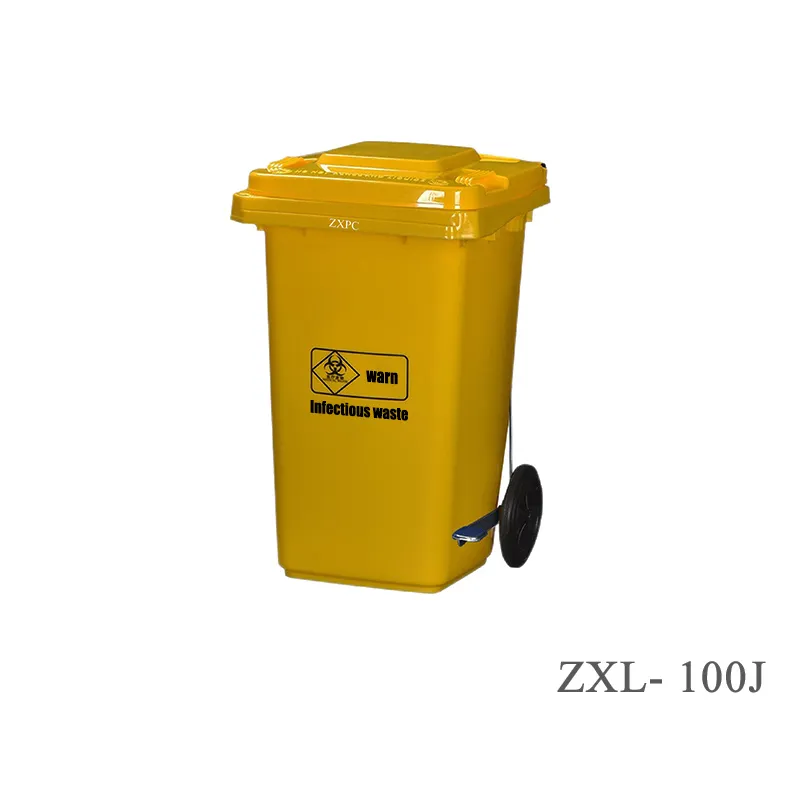 .
.
Adopting these practical steps allows for a seamless transition in your waste management practices, setting the foundation for a cleaner, more organized environment.
A: Start by analyzing your waste generation patterns, including the type and volume of waste. This will help you select a bin that optimally accommodates your requirements and maximizes space efficiency.
A: Opt for bins made from high-density polyethylene (HDPE) for their durability and resistance to various environmental factors. Ensure they conform to industry standards like ASTM and DIN for guaranteed quality.
A: Pricing can vary based on size, material, and supplier. We recommend reaching out for quotes based on your specific requirements to get the most accurate pricing.
A: Measure the available space and ensure that there is 10-15% extra room around the bin for accessibility and aesthetics, preventing blockage and promoting a tidy appearance.
A: Implement regular waste audits and consider using waste estimation calculators to refine your bin size and placement, ensuring your waste management strategy is proactive and effective.