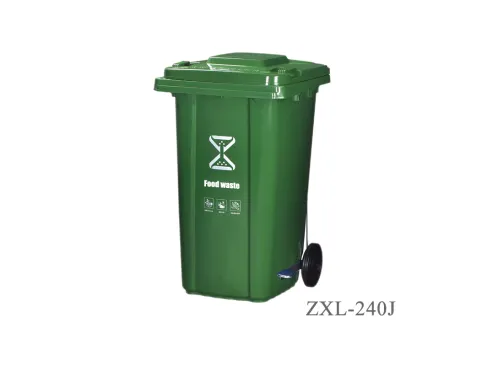
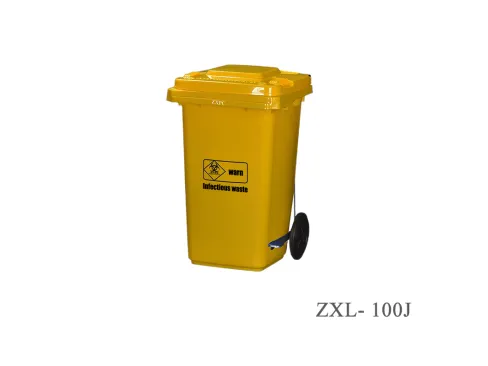
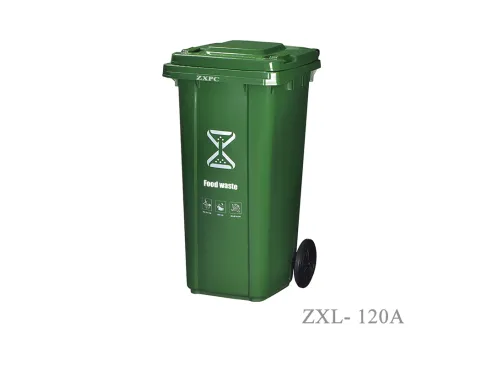
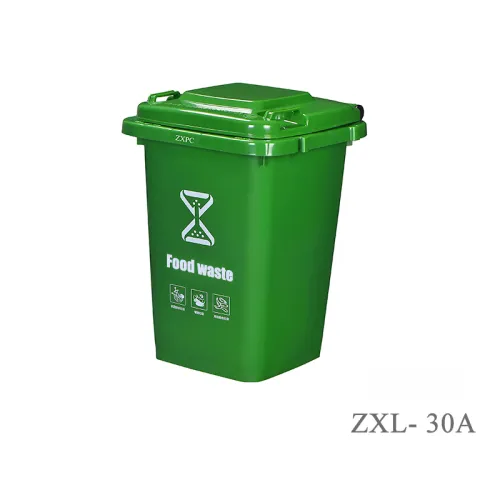
The load capacity of 240L wheelie bins is a common concern for those needing effective waste management. Many people wonder if these bins can hold sufficient waste for their needs. A 240L bin is perfect for households, small businesses, and community events. Understanding its size can help avoid overflow issues. In this article, we'll explore relevant points like the design of wheelie bins, their uses, and practical maintenance tips.
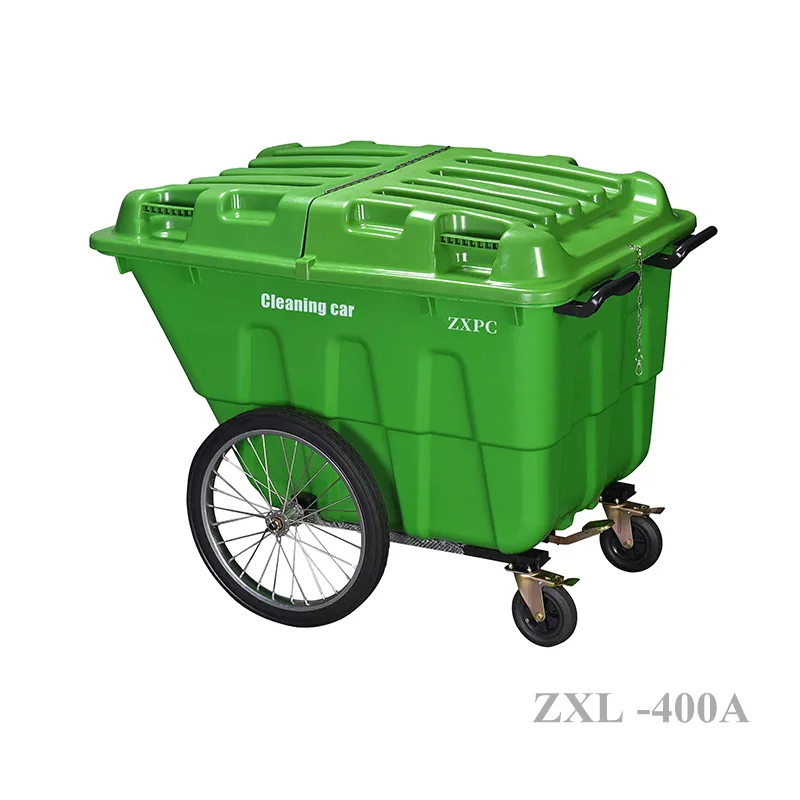
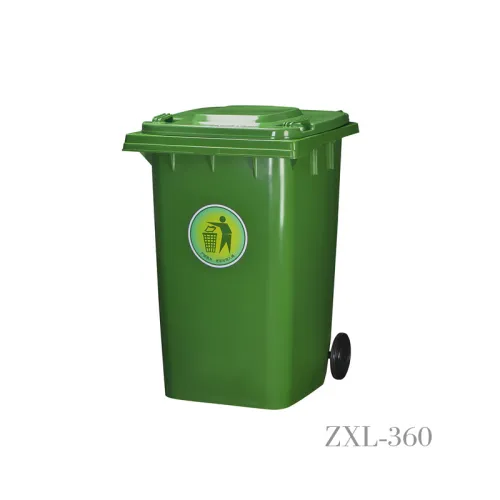
The **240L wheelie bin can hold up to 240 liters of waste, making it suitable for various residential and commercial needs**. Its design allows for easy maneuverability while providing ample storage space. These bins are ideal for regular waste collection and recycling purposes.
Knowing the load capacity of your wheelie bin is crucial. Here are some key points to consider:
A 240L wheelie bin can typically hold about 60 kg of waste. This weight is important to remember to prevent spills and overflow.
The 240 liters equals around eight standard garbage bags. This calculation helps in deciding how many bags fit into your bin.
The size of your wheelie bin matters for effective waste disposal. Consider these aspects:
If your outdoor space is limited, a 240L bin remains a compact option while providing enough capacity.
Different types of waste might require different bin sizes. A 240L bin works well for mixed waste or recyclables.
These bins are versatile and commonly used in various settings. Here are some examples:
Households often find a 240L bin useful for weekly waste collection.
Businesses, such as cafés and shops, use them for easy waste management.
During local events, these bins help gather waste efficiently.
There are several advantages to using a 240L wheelie bin:
These bins have wheels, making them easy to move, even when full.
Having a larger bin encourages better segregation of waste, especially recyclables.
Proper maintenance can extend the life of your 240L bin. Consider these tips:
Clean the bin regularly to prevent odors and pests. Simply rinse it out with water and a mild detergent.
Check the wheels and lid regularly to ensure they are functioning properly.
In summary, understanding the load capacity of a 240L wheelie bin is essential for efficient waste management. By knowing its size and benefits, you can choose the right bin for your needs. Whether at home or in business, these bins provide a practical solution for handling waste effectively.
Q: What type of waste can I put in a 240L wheelie bin?
A: You can place mixed household waste, recyclables, and organic waste, depending on your local guidelines.
Q: How often should I empty my 240L bin?
A: It is best to empty the bin weekly to avoid odor and pest issues.
Q: Can I overfill my 240L bin?
A: Overfilling can lead to spillage and issues during collection, so it's important to stay within the recommended capacity.
Q: How do I choose the right bin for my needs?
A: Consider factors like household size, type of waste, and collection frequency.
Q: Are 240L bins environmentally friendly?
A: Yes, when used correctly, they can aid in recycling and reducing waste in landfills.
Q: How can I maintain my wheelie bin?
A: Regular cleaning and checking for damage can help keep your bin in good shape.
A: The maximum weight limit for a 240L wheelie bin is typically around 60 kg, which helps prevent spillage during collection.
A: Yes, a 240L bin can be used for mixed waste including recyclables, making it suitable for effective waste separation.
A: Consider the size of your establishment, types of waste generated, and the frequency of waste collection to ensure the bin meets your requirements.
A: Regular cleaning and periodically checking for damage, especially on the wheels and lid, will help keep your bin in good condition.
A: Evaluate your household's waste generation, the frequency of collection, and available outdoor space to select an appropriately sized bin.