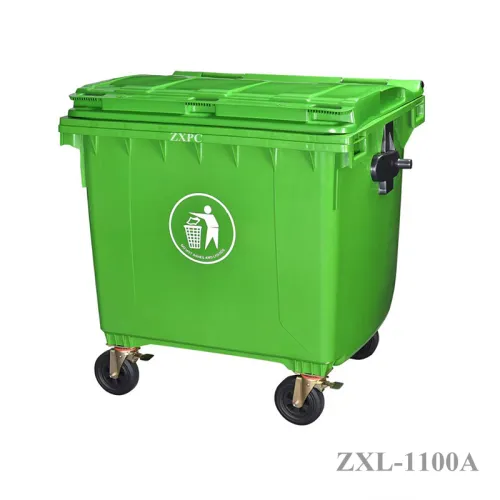
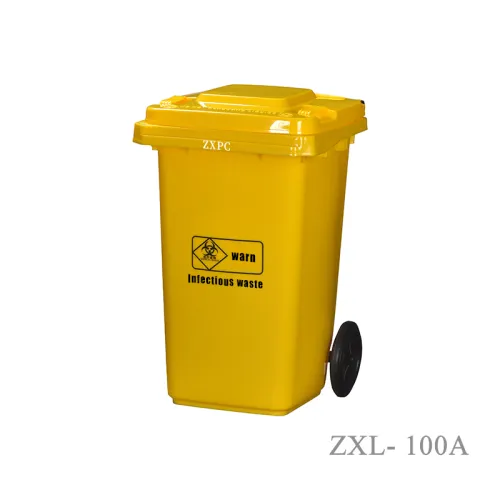
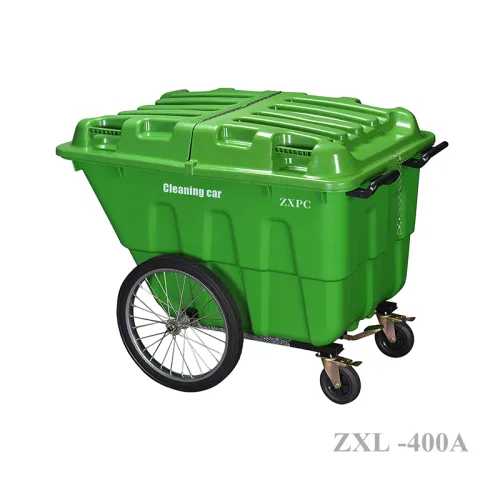
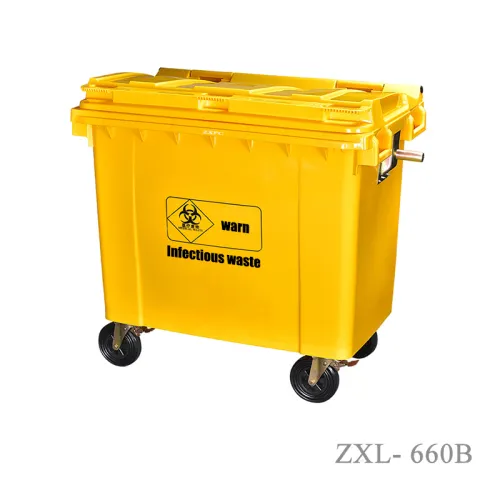
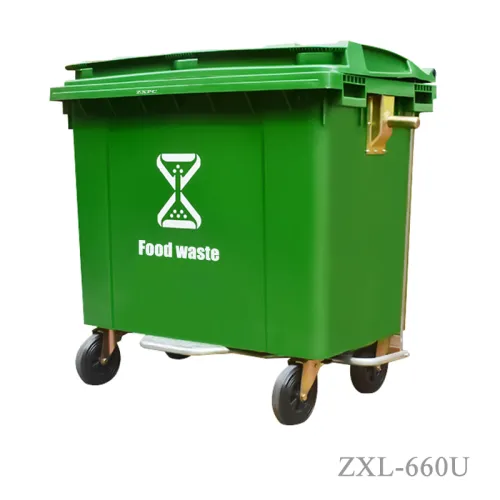
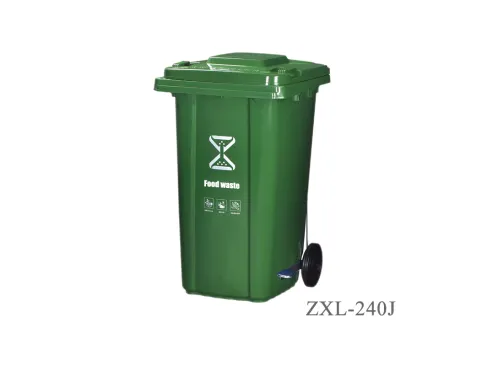
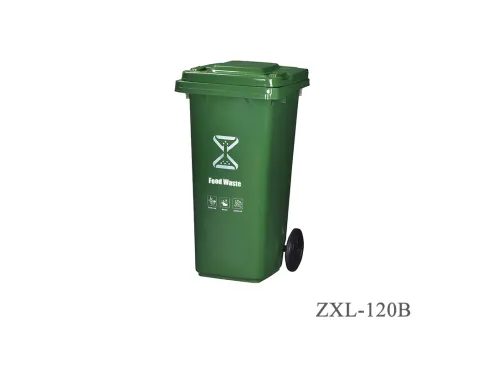
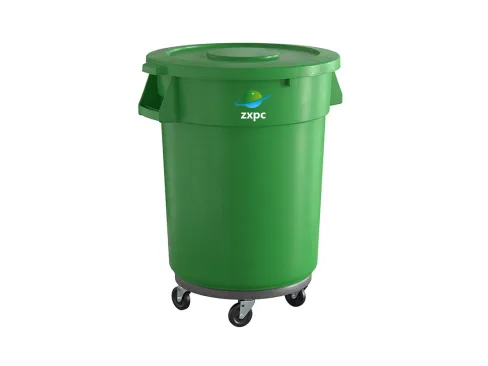
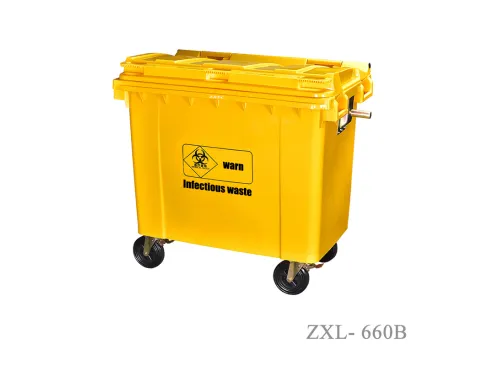
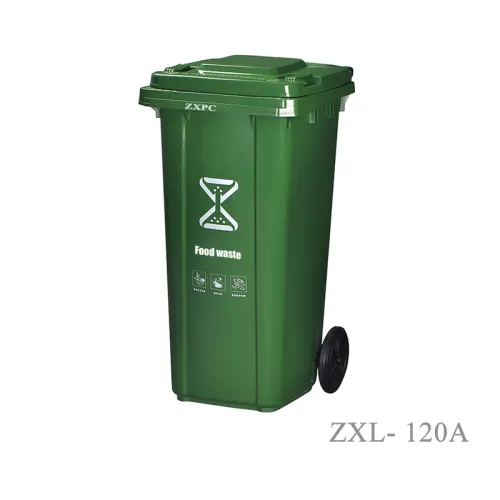
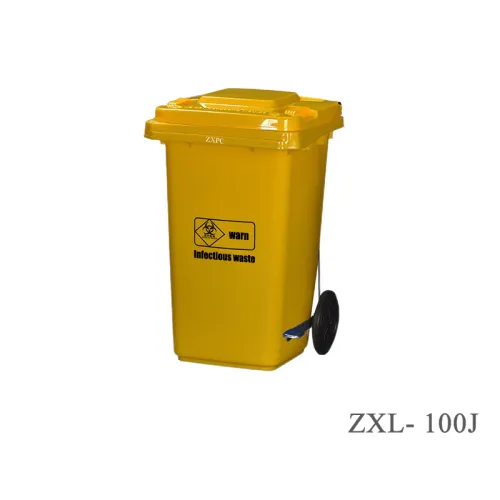
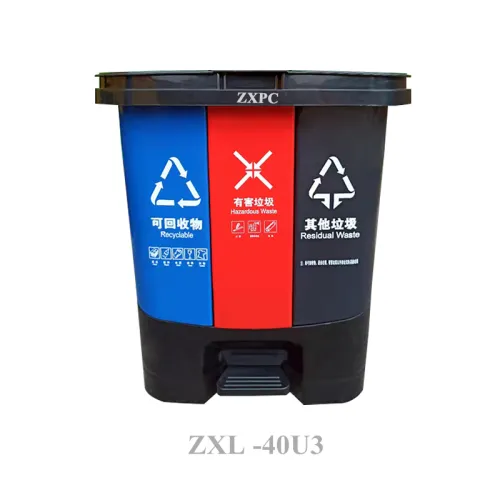
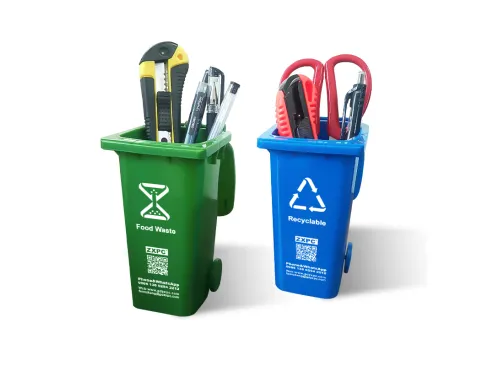
In today's healthcare landscape, managing disposable materials from medical practices has become a significant concern. The emergence of specialized containers, known as Medical Waste Bins, addresses the unique challenges of safely storing and eliminating hazardous healthcare waste. This type of waste includes sharps, pathological materials, and pharmaceuticals that require careful handling to protect public health and the environment. Stakeholders in hospitals, clinics, and labs experience pain points around compliance and risk mitigation, leading to the need for Medical Waste Bins that not only contain but also effectively minimize these risks.
What is a Medical Waste Bin?
A Medical Waste Bin is a specialized container designed for the safe disposal of medical waste. It is an essential part of infection control protocols within the medical community. These bins are constructed from durable materials to prevent breakage and ensure safe handling. Notable industry terms related to this topic include:
This understanding is crucial for anyone involved in the healthcare sector, as improper disposal can result in severe consequences, including legal liabilities and health risks.
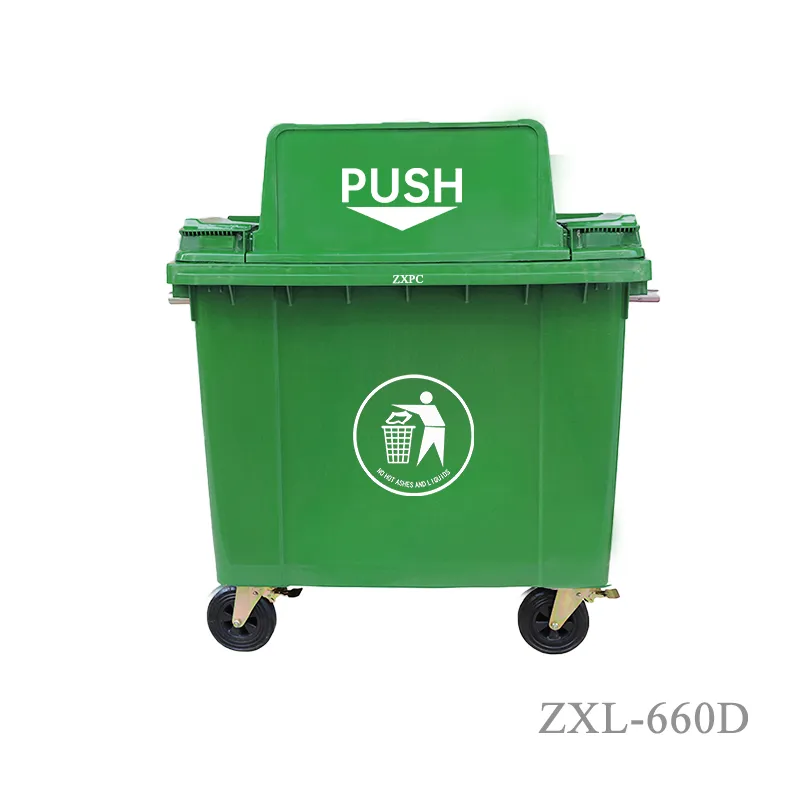
Application Scenarios for Medical Waste Bins
Medical Waste Bins are utilized in various facilities, including hospitals, dental offices, laboratories, and research centers. In hospitals, for instance, these bins are strategically placed in operating theatres and emergency rooms to facilitate the immediate disposal of waste, thereby minimizing cross-contamination and maintaining a sterile environment. In dental offices, they are essential for safe disposal of used needles and other sharp instruments. The versatility of Medical Waste Bins aids organizations in adhering to health regulations, which require strict compliance with waste management protocols.
The Advantages of Using Medical Waste Bins
The significance of implementing Medical Waste Bins in healthcare settings lies in their multiple advantages. Firstly, they significantly reduce the risk of needle-stick injuries, which statistics indicate affect approximately 385,000 healthcare workers in the U.S. annually according to a study published in the Journal of the American Medical Association (JAMA). By incorporating these bins into daily operations, healthcare providers enhance workplace safety and protect staff health.
Secondly, Medical Waste Bins offer an efficient way to segregate hazardous from non-hazardous waste, ensuring seamless compliance with local regulations. Many regions mandate that establishments dispose of biohazardous materials in specific containers, with penalties for non-compliance. Lastly, the use of these specialized bins contributes to sustainable waste management, as many manufacturers, such as ZXPC, ensure that their products are designed for eco-friendly disposal and recycling processes.
Next Steps: User Guide and Further Exploration
For those looking to implement Medical Waste Bins within your medical practice, we recommend starting by reviewing the user guide provided by manufacturers like ZXPC. These guides will outline the proper procedures for waste disposal, bin selection, and compliance requirements. Additionally, conducting further research on available options can help streamline waste management in your facility.
Frequently Asked Questions
What types of waste should be disposed of in Medical Waste Bins?
How should Medical Waste Bins be stored?
What are the regulations surrounding Medical Waste Bins?
For a deeper understanding or to trial Medical Waste Bins by ZXPC, we encourage you to connect with their customer service or visit their website for more information. By investing in the right solutions, you ensure the safety and health of your facility’s environment.
A: Medical Waste Bins are designed for the disposal of used syringes, blood-stained bandages, sharps, and other biohazardous materials that pose health risks.
A: Compliance requirements vary by region, but typically include guidelines for proper packaging, storage, and transport of biohazardous waste. It's crucial to consult local regulations to ensure adherence.
A: Implementing Medical Waste Bins can significantly reduce risks related to needle-stick injuries and help segregate hazardous from non-hazardous waste, ensuring efficient compliance with health regulations.
A: You can source high-quality Medical Waste Bins from manufacturers like ZXPC, which provide various specifications tailored to different healthcare settings, ensuring safety and compliance.
A: Medical Waste Bins should be placed in easily accessible locations within healthcare settings, such as operating theatres and emergency rooms, while still ensuring they are kept away from public areas to maintain safety.