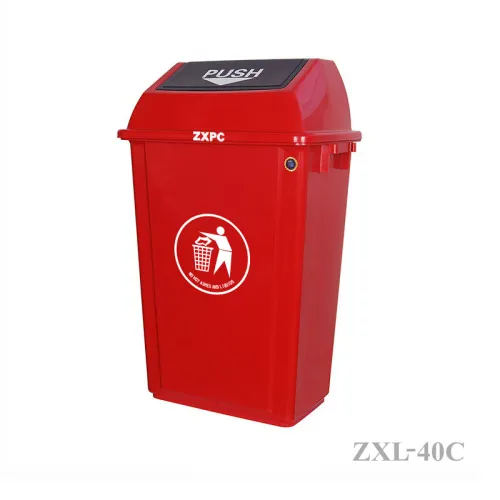
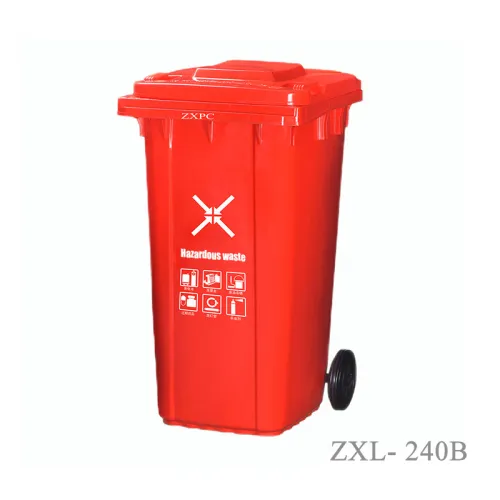
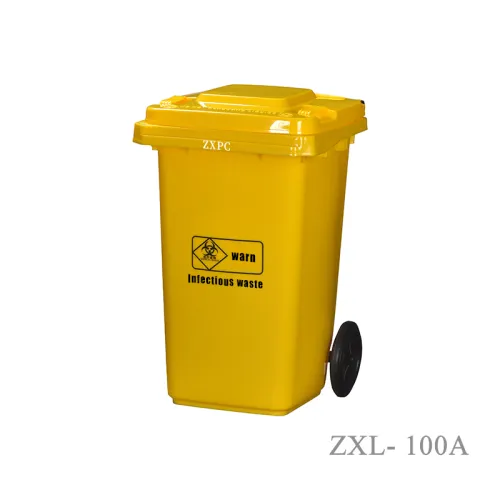
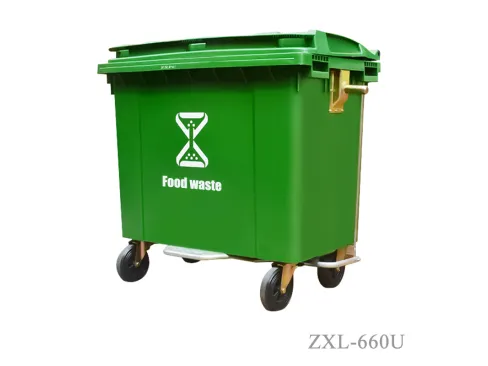
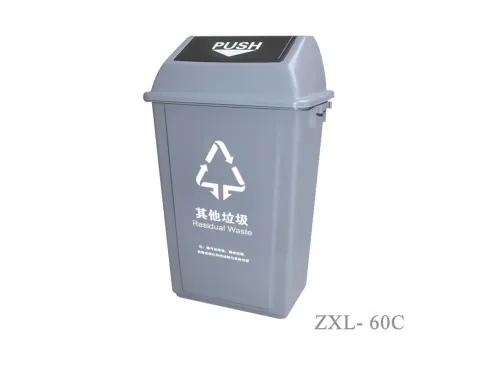
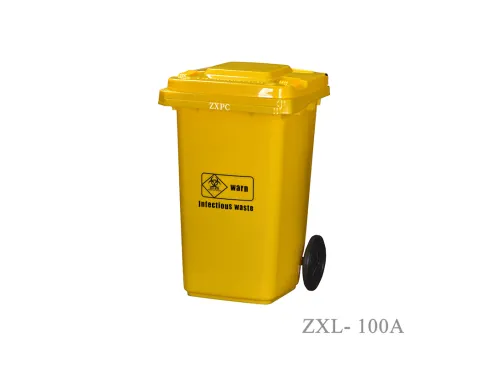
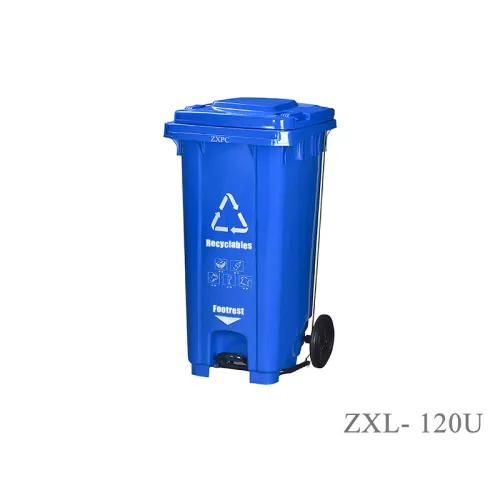
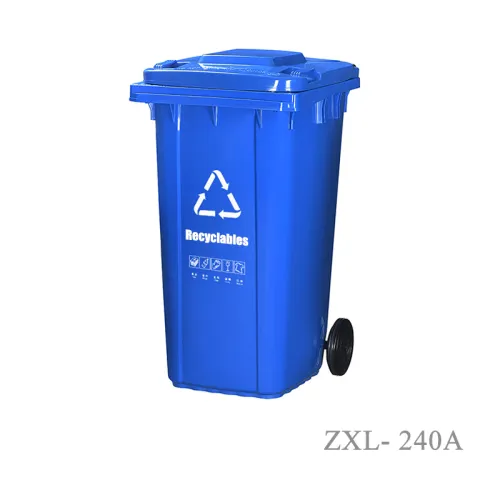
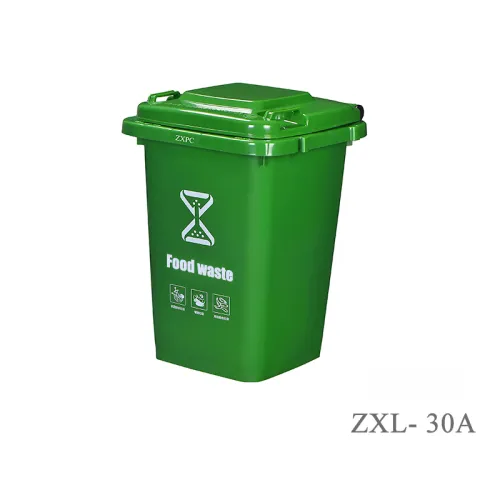
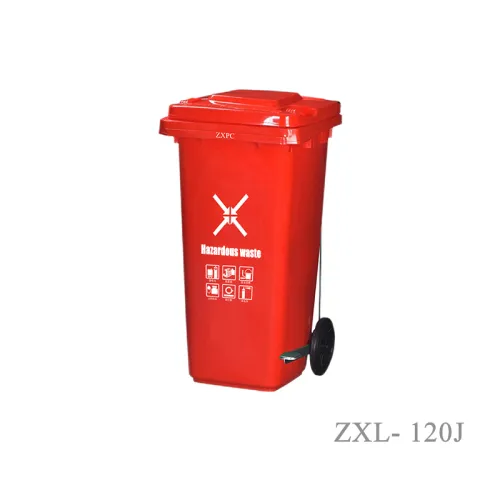
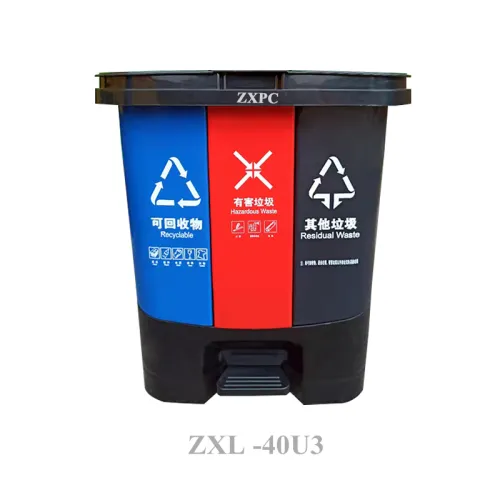
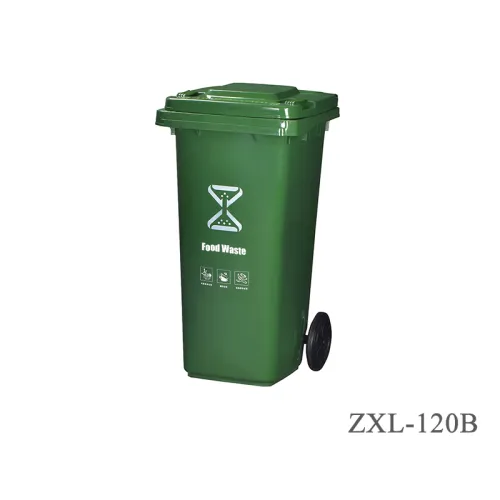
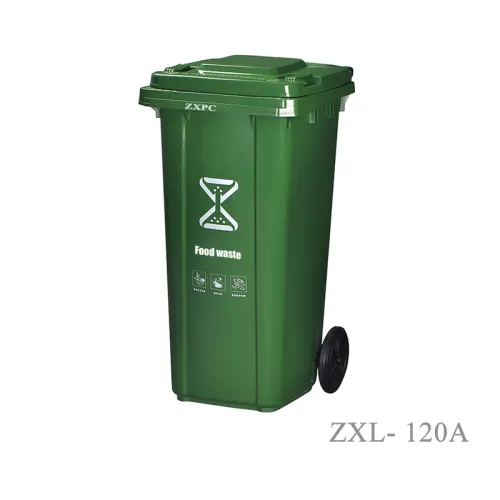
outdoor litter bins are essential receptacles designed specifically to store waste in public environments, enhancing cleanliness and sustainability in urban and natural spaces. These bins prevent littering, promote recycling, and improve the overall aesthetics of an area, making them invaluable to businesses and municipalities. Properly installed outdoor litter bins not only contain waste securely but also contribute to a community's environmental efforts, fostering a culture of responsibility among its users.
To understand the significance of outdoor litter bins in today’s landscape, we can look back to the rise of public sanitation efforts during the 19th century, which laid the groundwork for current waste management systems. Initially, cities struggled with litter control, leading to health risks and unsightly streets. The introduction of covered trash receptacles reduced debris and improved public health, evolving into the sophisticated outdoor litter bins we use today. This historical context highlights the ongoing need for effective waste solutions in maintaining urban cleanliness.
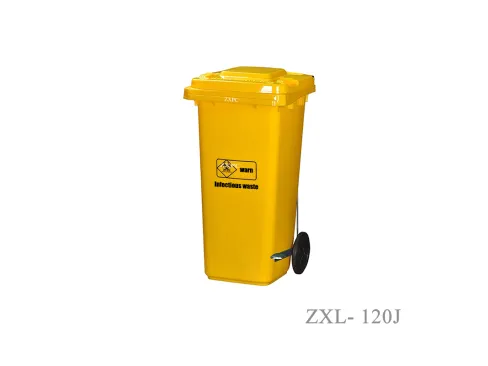
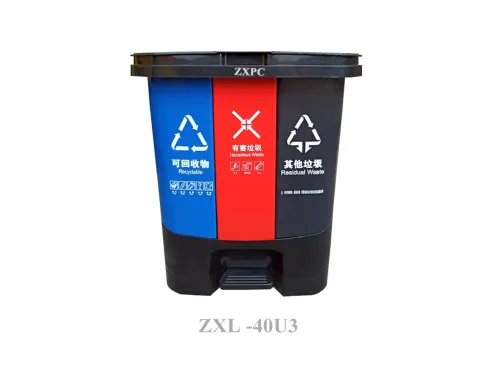
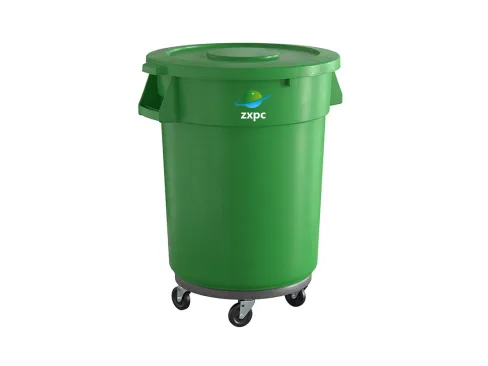
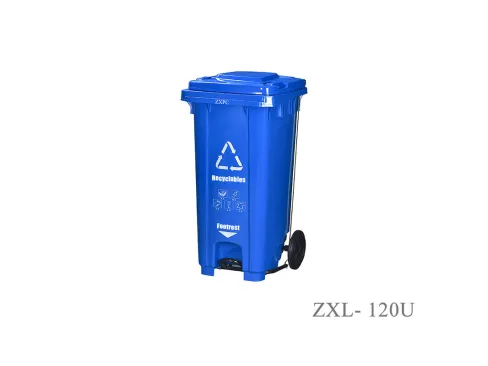
In practical applications, outdoor litter bins play a pivotal role in urban planning and environmental management. These bins must meet certain requirements to ensure efficiency and effectiveness. Factors such as materials used for construction, capacity for holding waste, ease of accessibility, and weather resistance are crucial. For instance, high-density polyethylene (HDPE) is often employed due to its durability and resistance to UV rays, fulfilling industry standards such as ASTM D4803. Furthermore, bins designed with specific compartments for recyclables significantly contribute to waste diversion efforts, showcasing their importance in modern sustainability initiatives.
Yet, several misconceptions persist about outdoor litter bins. A common error is assuming that the placement of these bins is inconsequential. In reality, the effectiveness of outdoor litter bins hinges on optimal positioning to maximize usage. They should be placed in high-traffic areas where littering is most likely to occur. Another misconception is the belief that all bins are created equal. In truth, varying designs cater to different environments and waste types, and selecting a bin that matches location-specific needs is essential for promoting responsible disposal behaviors.
Consider a case study from a city revitalization project that implemented a series of aesthetically pleasing, dual-purpose outdoor litter bins from ZXPC. This initiative resulted in a 30% reduction in littering incidents within six months, demonstrating the effectiveness of strategic placement and design. The community reaction was overwhelmingly positive, as residents felt more inclined to keep their area clean when provided with readily accessible waste disposal options.
In summary, understanding the requirements for outdoor litter bins is crucial for any initiative aimed at improving public spaces. From their historical significance and practical applications to the common missteps surrounding their use, outdoor litter bins are more than just trash containers; they are integral to a comprehensive waste management strategy. It’s imperative for municipal planners, businesses, and environmental advocates to recognize their value and leverage them effectively. Explore more about enhancing your community's waste management systems by investing in quality outdoor litter bins tailored to your specific needs.
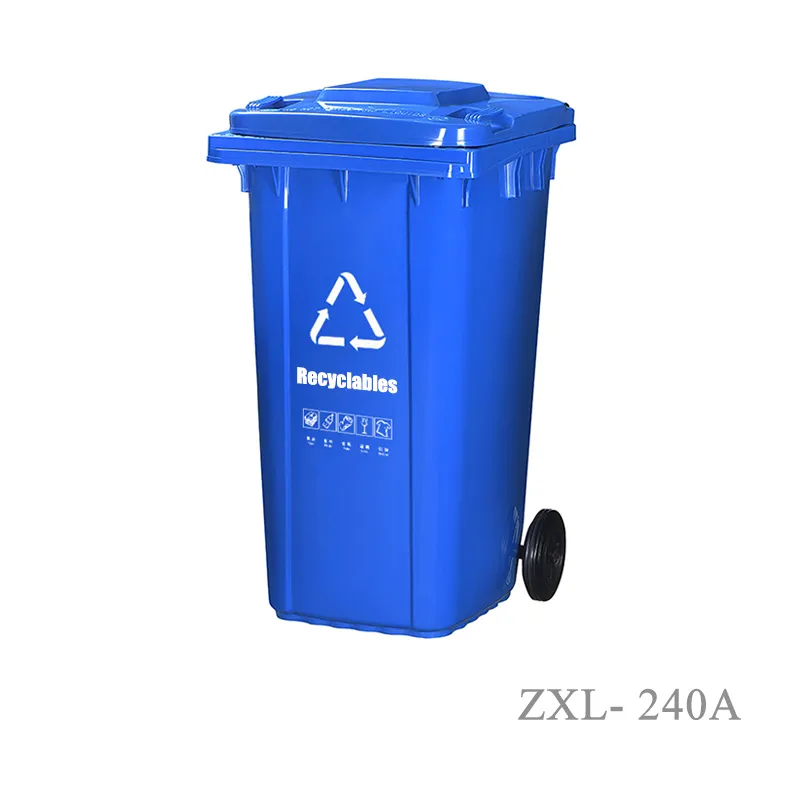
A: High-density polyethylene (HDPE) is recommended due to its durability and resistance to UV rays, making it ideal for various environmental conditions.
A: Ensure optimal placement in high-traffic areas where littering is most likely to occur and select bins that cater to specific waste types to encourage responsible disposal.
A: Consider factors such as capacity, ease of accessibility, weather resistance, and the presence of compartments for recyclables to enhance waste management efforts.
A: Yes, we can offer tailored outdoor litter bins that match your specific needs, enhancing both sustainability and aesthetics in your area.
A: Start by assessing high-traffic areas for placement, selecting the right bin designs, and aligning them with community engagement efforts to promote proper usage.