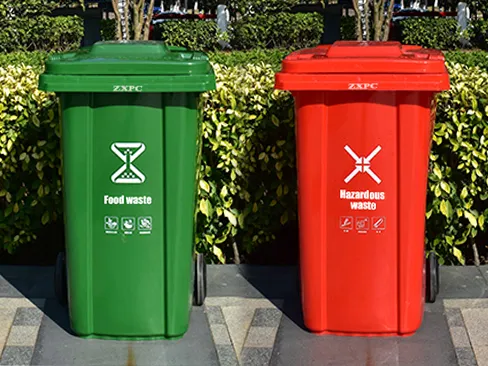
Selecting the right waste bin container for hotels and offices can significantly impact operational efficiency and sustainability. To create an effective waste management system, it is crucial to choose bins that not only fit your space and needs but also adhere to industry standards. I will guide you through the necessary steps to make an informed decision, highlighting essential considerations and practical advice for both beginners and seasoned professionals.
When embarking on this process, it’s important to conduct a comprehensive needs assessment. Start by evaluating the type and volume of waste generated in your facility. For instance, hotels typically produce a mix of general waste, recyclables, and organic waste, making it essential to have designated waste bin containers for each category. I recommend employing a waste audit, where you analyze waste over a week or so. Statistical reports indicate that businesses can reduce waste by up to 30% when waste is sorted effectively.
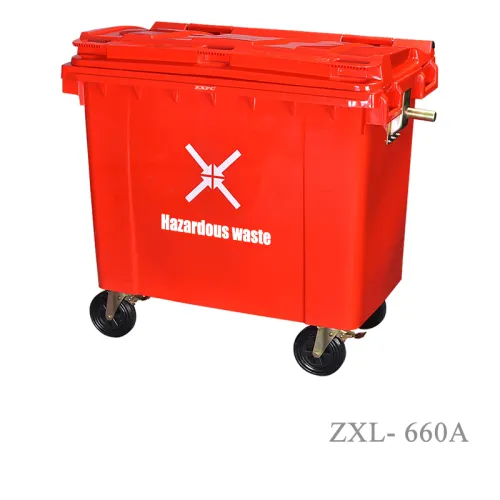
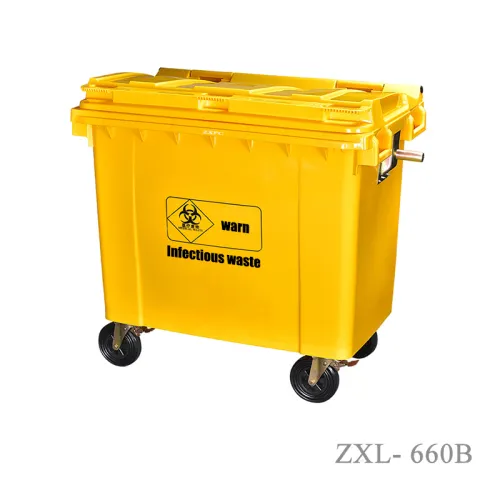
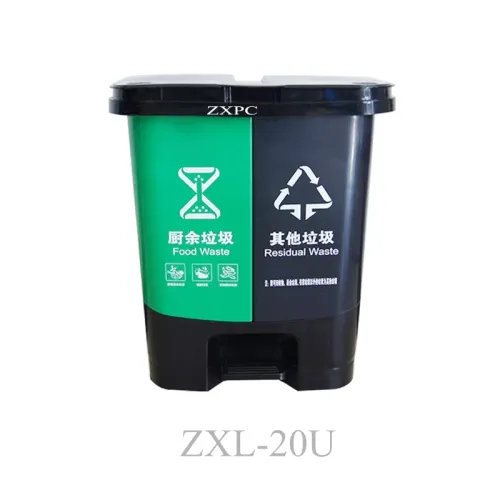
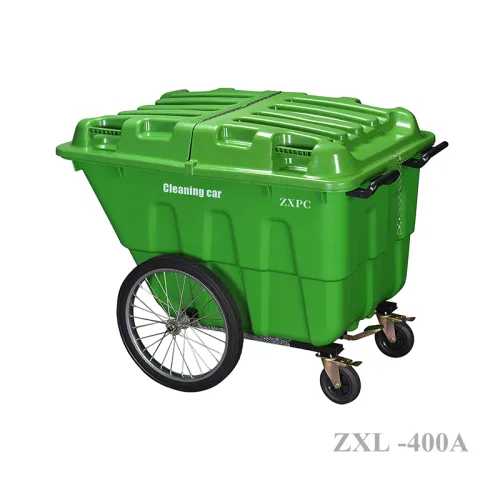
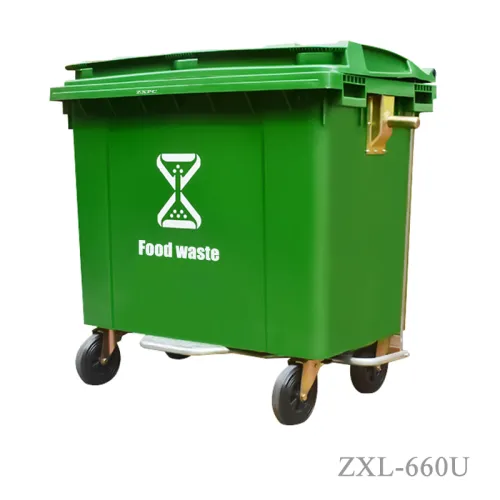
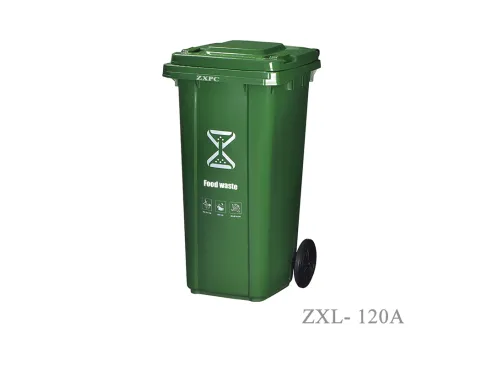
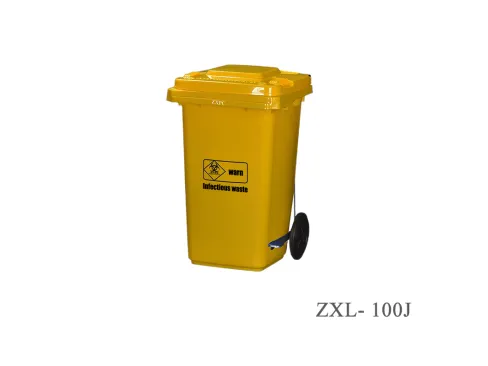
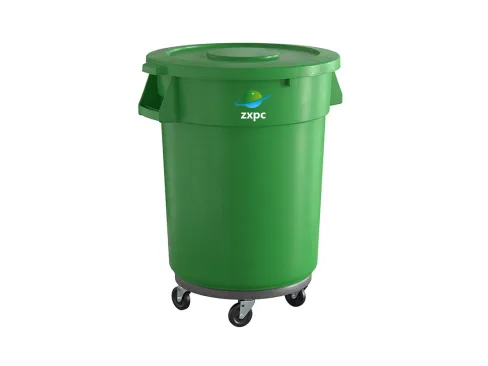
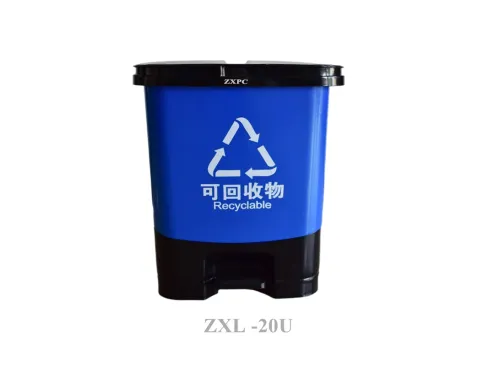
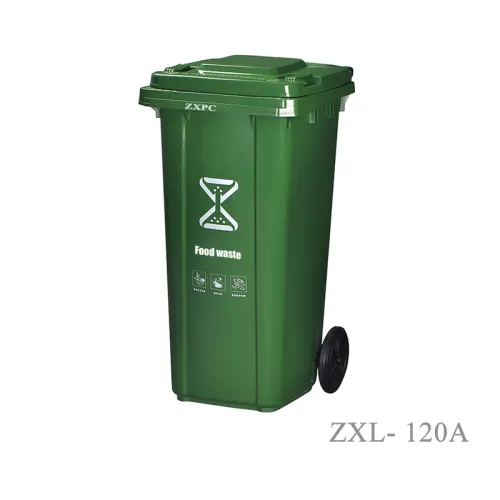
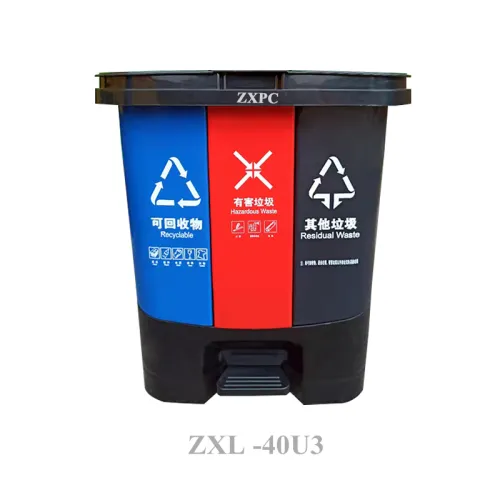
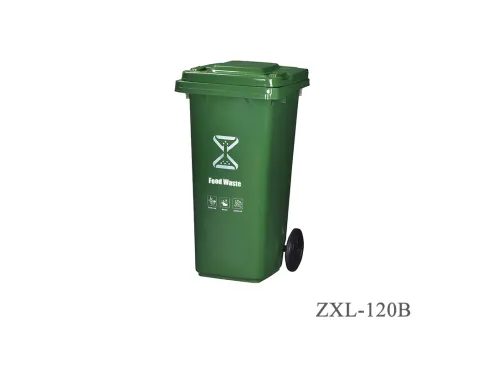
Next, consider the capacity of the waste bin container you require. Depending on your hotel or office size, different capacities will suit different needs. For high-traffic areas like lobbies or cafeterias, larger bins capable of holding up to 120 liters or more may be necessary to avoid overflow. Conversely, smaller dual-bin units for private offices can enhance recycling efforts without taking up too much space. Remember not to compromise on quality; bins made from high-density polyethylene (HDPE) or recycled steel not only meet ASTM standards but also ensure durability and ease of cleaning.
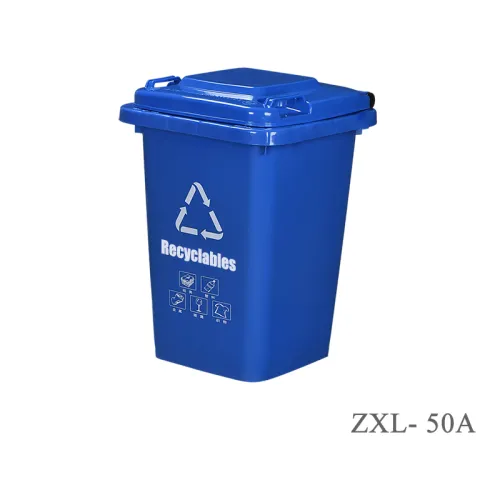
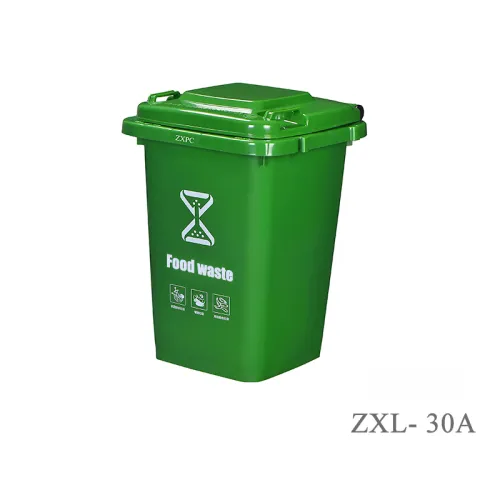
In the following steps, I will focus on aesthetics and accessibility. It’s vital that your waste bin containers blend seamlessly into your facility's design. Opt for sleek models such as those offered by ZXPC, which not only emphasize functionality but also enhance your venue’s aesthetic appeal. Furthermore, accessibility is paramount—ensure that bins are at a convenient height and are clearly labeled to encourage proper disposal methods. During my work with various establishments, I have often found that up to 70% of waste was incorrectly disposed of simply due to labeling issues.
To reinforce sustainability practices, choose bins equipped for recycling. This not only helps in complying with local regulations but also supports broader environmental initiatives. I’ve seen first-hand how integrating recycling station bins can boost participation rates by more than 40% in community programs. Include visual guides, such as images and color-coded instructions, on or near the bins to illustrate what materials should go into each container.
When it comes to deployment, logistics cannot be overlooked. Identify a strategic placement plan based on foot traffic flow and operational areas to maximize usage. Also, consider cost-effectiveness during your purchase. While initially, higher-quality bins may represent a greater outward expense, they often lead to reduced long-term costs through lower replacement rates and maintenance expenses.
Potential challenges include resistance from staff or guests when adapting to new waste disposal systems. Implement engaging training sessions and awareness campaigns. I suggest introducing incentives for correct waste disposal practices, which have shown to effectively engage users, enhancing compliance with new systems.
In conclusion, the choice of waste bins is a significant but often underestimated aspect of hotel and office management. By conducting a rigorous needs assessment, selecting aesthetically pleasing and properly sized waste bin containers, and ensuring clarity in waste separation and education, hotels and offices can develop a cleaner, more sustainable environment. I encourage you to apply the strategies outlined above and transform your waste management approach. Remember, a sustainable path starts with informed choices today, where even minor adjustments can lead to substantial results in both efficiency and environmental impact.
A: When selecting waste bins, consider the volume and type of waste generated, the capacity required for high-traffic areas, durability of materials like HDPE or recycled steel, and the bins' aesthetic appeal to ensure they integrate well within your hotel's design.
A: Enhancing waste separation can be achieved by using clearly labeled bins and implementing visual guides to show what materials go into each bin. Additionally, incorporating recycling stations can significantly increase participation in recycling programs.
A: High-quality waste bins, while initially more expensive, can lead to lower long-term costs due to reduced replacement needs and lower maintenance expenses, ensuring a sustainable waste management solution.
A: Engage your staff through training sessions that highlight the importance of proper waste disposal. Consider introducing incentives for correct disposal practices to increase compliance and participation.
A: Yes, we offer a range of waste bins made from durable materials like HDPE and recycled steel that meet ASTM standards. Our products can accommodate various waste types and are designed to enhance both functionality and aesthetics.