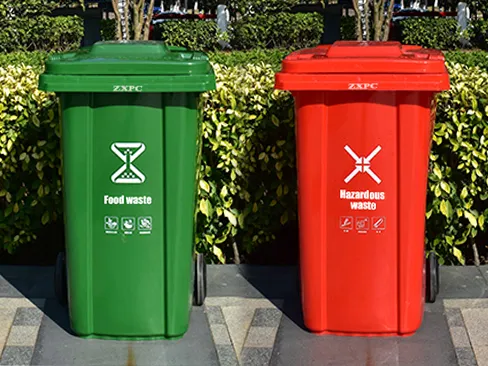
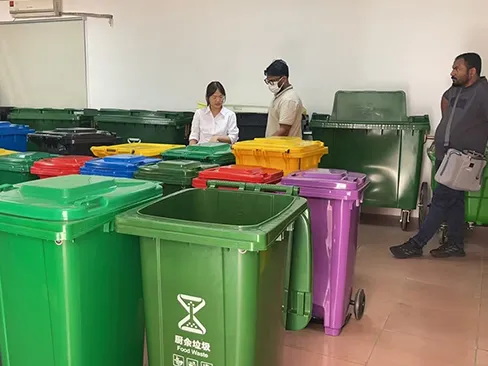
When it comes to managing waste efficiently, whether for a commercial construction site or a bustling municipal project, heavy duty garbage containers stand out as indispensable assets. I’m here to walk you through a comprehensive approach to selecting, implementing, and maintaining these containers, suitable for beginners and seasoned professionals alike. By the end of this guide, you'll not only understand the ins and outs of industrial garbage containers but also how to optimize their use in various settings.
Deciding on the right heavy duty garbage container requires a structured process. I recommend starting with an assessment of your specific waste management needs. Does your project involve construction debris, recyclables, or even hazardous materials? Understanding this will help you choose the right type of container. For instance, a construction site may require robust containers with load capacities exceeding 10 tons, while a manufacturing facility might benefit from specialized containers designed for hazardous waste, adhering to ASTM standards.
Choosing the Right Container
Determine Your Capacity Needs: Evaluate the size of your project. A typical industrial garbage container ranges between 10 to 40 cubic yards. For larger projects, consider containers capable of handling up to 70 cubic yards.
Select Appropriate Materials: Heavy duty containers are usually made from steel or reinforced plastic. Steel containers, while heavier, offer superior durability and resistance to damage, ensuring a long-term investment.
Review Compliance Standards: Always check for compliance with local, state, and federal waste management regulations. Ensure your chosen container meets industry standards, which can significantly reduce legal liabilities and ensure your project’s sustainability.
Pick a Reliable Supplier: Partnering with companies like ZXPC offers several advantages, including a proven track record of 100% inspection on all their containers and constant support. Look for suppliers that can provide evidence of their commitment to quality—think certifications and performance guarantees.
As I moved forward with the implementation of heavy duty garbage containers into our operations, I realized the importance of proper training for staff. Successful case studies show that companies that invest time in training their employees on how to use and manage these containers effectively see a reduction in contamination rates by up to 30%. Training sessions should cover:
Tools and Resources
To facilitate smooth operations, I recommend utilizing the following resources:
Challenges are natural in any waste management project. One common hurdle is the inconsistency in waste disposal practices among team members. To combat this, I found that implementing a rewards program for teams who consistently adhere to waste management protocols can not only motivate staff but also instill a culture of sustainability. If you experience logistical delays in container delivery, maintaining open communication channels with your supplier can alleviate many frustrations.
In summary, navigating the world of heavy duty garbage containers doesn't need to be daunting. By assessing your needs, selecting the right containers, ensuring compliance, and training your staff, you can optimize your waste management strategy effectively. The success I’ve seen in my projects demonstrates the power of a structured approach in achieving not only efficiency but also compliance and sustainability in waste management practices. I encourage you to take the plunge—implement the steps outlined above and transform your waste disposal system with ZXPC’s high-quality industrial garbage containers. Let’s work together towards a cleaner, more efficient future.
A: Consider factors such as capacity needs, material durability, compliance with local regulations, and the specific type of waste you will manage. Containers typically range from 10 to 70 cubic yards in size and should be made from either steel or reinforced plastic depending on your requirements.
A: Always verify that your containers meet local, state, and federal regulations. Working with reputable suppliers like ZXPC can help ensure that your containers comply with industry standards, thereby reducing legal liabilities.
A: Regularly inspect the containers for wear and tear, follow maintenance checklists, and ensure adherence to ASTM standards. Proper loading techniques can also minimize damage and extend the life of the containers.
A: Train your staff on proper loading techniques, material segregation for recycling, and maintenance practices. Investing in training can reduce contamination rates significantly and improve overall waste management efficiency.
A: Types include standard industrial containers for construction debris, specialized containers for recyclables, and robust options for hazardous materials. Each type is designed to meet specific needs and compliance requirements, ensuring effective waste disposal across various industries.